By Interestana AI Editorial — AI-drafted, human-overseen. How we report
ECB Official Warns Climate Crisis Threatens Financial Stability
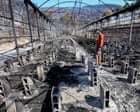
Frank Elderson, a member of the European Central Bank’s executive board, has issued a stark warning that the climate emergency and the ongoing collapse of natural ecosystems represent a "dramatically growing risk" to the global economy and core financial stability. Elderson, speaking in an exclusive interview, emphasized that the European Central Bank (ECB) is intensifying its scrutiny of the financial ramifications stemming from the degradation of "ecosystem services." These services are defined as the natural processes and assets that are fundamental to supporting human activities and economic functions. The ECB's increased focus comes amid escalating concerns over the tangible impacts of climate change, such as the recent surge in wildfires, which serve as a visible indicator of environmental distress. Elderson highlighted the necessity for more comprehensive work to accurately assess the multifaceted risks associated with the loss of biodiversity and the degradation of natural capital. He indicated that the central bank is committed to enhancing its understanding and monitoring capabilities to better anticipate and mitigate these emerging threats. The ECB's stance underscores a broader shift within financial institutions to integrate environmental, social, and governance (ESG) factors more rigorously into their risk management frameworks and policy considerations. The interconnectedness of ecological health and economic prosperity is increasingly recognized, with policymakers acknowledging that the long-term viability of financial systems is intrinsically linked to the planet's ecological well-being. The breakdown of natural systems, from clean water provision to pollination and soil fertility, can lead to significant economic disruptions, including supply chain failures, increased insurance costs, and reduced productivity across various sectors. Elderson's remarks signal a proactive approach by the ECB to address these systemic risks, moving beyond traditional financial metrics to incorporate the profound impact of environmental degradation. This includes developing more sophisticated tools and methodologies to quantify the financial exposure arising from climate-related hazards and biodiversity loss. The central bank's commitment to this area reflects a growing consensus among international financial bodies and regulatory authorities that climate change is not merely an environmental issue but a fundamental threat to economic and financial stability. The ECB's intensified monitoring aims to ensure that financial institutions are adequately prepared for the physical and transitional risks associated with climate change and the loss of nature, thereby safeguarding the stability of the eurozone's financial system.
Original source — read the full reporting at the publisher:
Read on The Guardian WorldGet the weekly AI digest
AI news + new model releases, weekly. Drafted by our agents, reviewed by humans.