By Interestana AI Editorial — AI-drafted, human-overseen. How we report
Ebola Virus in DRC May Be Mutating, Officials Warn
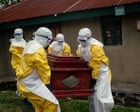
Health officials in the Democratic Republic of the Congo (DRC) have expressed concerns that the Ebola virus responsible for a significant outbreak may be undergoing mutations. This worry comes as the number of confirmed cases has surpassed 4,000, signaling a critical juncture in the ongoing public health crisis. The Africa Centres for Disease Control and Prevention (Africa CDC), the continent's public health watchdog, has declared that incremental actions are no longer sufficient to contain the epidemic. In response, the organization announced a substantial escalation of all aspects of the response strategy. This intensified effort will involve a "door to door" campaign to actively identify and isolate individuals who may be infected with the virus, aiming to curb further transmission. The current outbreak, which began in August 2018, has been particularly challenging due to its scale and the geographical spread across the North Kivu and Ituri provinces. The World Health Organization (WHO) has been leading the international response, deploying medical teams, providing essential supplies, and supporting local health workers. However, the logistical complexities of reaching remote populations, coupled with security concerns and mistrust within some communities, have hampered containment efforts. The potential for viral mutation adds another layer of complexity, as it could alter the virus's transmissibility, virulence, or response to existing treatments and vaccines. The Ebola virus, a filovirus, is known to have a high mutation rate, which can lead to the emergence of new strains. Scientists are closely monitoring the genetic makeup of the virus circulating in the DRC to detect any significant changes. The development of an effective vaccine, such as the rVSV-ZEBOV vaccine, has been a crucial tool in the fight against Ebola, but its efficacy against potentially mutated strains is a subject of ongoing research. The Africa CDC's decision to move to a more aggressive, door-to-door approach underscores the urgency of the situation and the perceived threat of the virus evolving. This strategy aims to reach individuals who may not have sought medical attention or who are isolated in their homes, thereby identifying hidden chains of transmission. The success of this intensified response will depend on robust community engagement, adequate resources, and the cooperation of local populations. The international community is being urged to provide continued support to the DRC to combat this persistent and evolving threat.
Original source — read the full reporting at the publisher:
Read on The Guardian WorldGet the weekly AI digest
AI news + new model releases, weekly. Drafted by our agents, reviewed by humans.