By Interestana AI Editorial — AI-drafted, human-overseen. How we report
Ebola Outbreak in DR Congo Becomes Deadliest
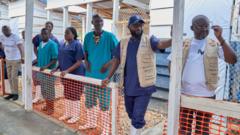
The Ebola outbreak in the Democratic Republic of Congo (DRC) has officially become the deadliest in the nation's recorded history. This designation marks a grim milestone for the ongoing public health crisis, which has seen an unprecedented rate of spread and fatality. The outbreak is attributed to a rare species of the Ebola virus known as Bundibugyo. This particular strain, while less common than the Zaire species responsible for the 2014-2016 West Africa epidemic, has demonstrated a significant capacity for transmission and lethality within the DRC. The speed at which this outbreak has grown was already noted as the fastest on record prior to this declaration, underscoring the aggressive nature of the Bundibugyo strain and the challenges faced in containing its spread. Health officials have been working tirelessly to implement control measures, including contact tracing, isolation of infected individuals, and the deployment of experimental treatments and vaccines. However, the vastness of the affected regions, coupled with logistical difficulties and sometimes community mistrust, has complicated these efforts. The Bundibugyo Ebola virus was first identified in 2007 in the Bundibugyo district of Uganda, and this current outbreak in the DRC represents a resurgence and a more virulent manifestation of the pathogen. The implications of this outbreak being the deadliest in the DRC's history are far-reaching, impacting not only public health but also the socio-economic stability of the affected areas. International health organizations, including the World Health Organization (WHO), are providing support and expertise to the DRC's Ministry of Health. The focus remains on stemming the transmission, providing care for those infected, and preventing further spread to neighboring countries. The declaration of this outbreak as the deadliest in the DRC's history highlights the persistent threat posed by viral hemorrhagic fevers and the critical need for robust public health infrastructure and rapid response capabilities in vulnerable regions. Further analysis of the epidemiological data is ongoing to understand the specific factors contributing to the high mortality rate and rapid dissemination of the Bundibugyo strain in this instance. The global health community continues to monitor the situation closely, ready to provide additional assistance as required to bring this devastating outbreak under control and prevent future occurrences.
Original source — read the full reporting at the publisher:
Read on BBC World NewsGet the weekly AI digest
AI news + new model releases, weekly. Drafted by our agents, reviewed by humans.