By Interestana AI Editorial — AI-drafted, human-overseen. How we report
Typhoon Bavi Threatens East Asia After Killing 15 in Philippines
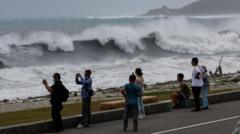
Typhoon Bavi, a storm measuring 1,000 kilometers in width, is currently heading towards Taiwan and southeastern China, with forecasts indicating it could be one of the most powerful typhoons to hit the region in decades. The storm has already caused significant devastation in the Philippines, where it triggered landslides that resulted in at least 15 fatalities. The Philippine government has initiated rescue and relief operations in the affected areas, focusing on communities most vulnerable to further landslides and flooding.
Forecasters at the Joint Typhoon Warning Center (JTWC) have issued warnings for coastal areas in Taiwan and China, advising residents to prepare for extreme winds, heavy rainfall, and potential storm surges. The typhoon's projected path suggests it will make landfall on the eastern coast of Taiwan within the next 48 hours before moving towards the Fujian province of China. Authorities in both regions are urging citizens to secure property, evacuate low-lying areas, and stay informed through official weather updates. Emergency services are on standby to respond to any incidents.
The intensity of Typhoon Bavi has been escalating rapidly over the past few days, fueled by warm ocean waters in the Western Pacific. Meteorologists are closely monitoring its development, noting that its large size could lead to widespread and prolonged impacts. The storm's trajectory is being influenced by a complex interplay of atmospheric conditions, and slight shifts in its path could significantly alter the areas most affected. The economic impact is also a growing concern, with potential disruptions to shipping, agriculture, and tourism in the affected regions.
Original source — read the full reporting at the publisher:
Read on BBC World NewsGet the weekly AI digest
AI news + new model releases, weekly. Drafted by our agents, reviewed by humans.