By Interestana AI Editorial — AI-drafted, human-overseen. How we report
E-Bike Bans in Schools Spark Freedom vs. Safety Debate
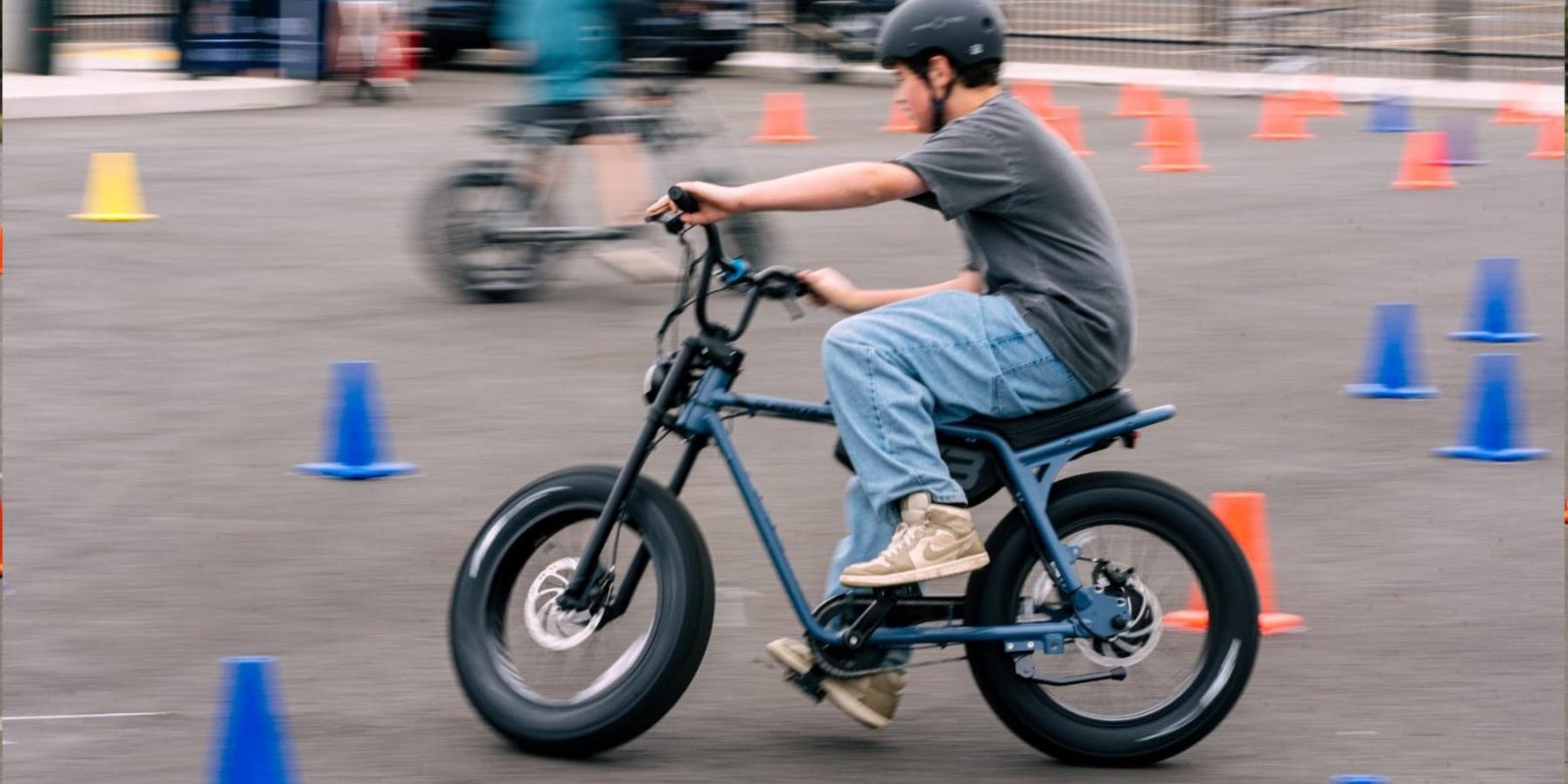
School districts across the United States are increasingly confronting a complex dilemma regarding the use of e-bikes and e-scooters by students. The core of the debate centers on whether to permit these electric-powered vehicles, which offer students enhanced transportation independence, or to implement bans due to escalating safety concerns. As e-bikes and e-scooters become a more prevalent mode of transport for students commuting to and from school, educational administrators are tasked with a delicate balancing act. They must weigh the benefits of increased freedom and accessibility for families against a backdrop of rising crash incidents, instances of reckless riding, and the inherent safety challenges posed by many American roadways for young cyclists.
This growing trend reflects a broader societal discussion about the integration of personal electric mobility devices into everyday life, particularly for younger demographics. The appeal of e-bikes and e-scooters lies in their ability to cover greater distances with less physical exertion, making longer commutes feasible for students who might otherwise rely on parental transportation or public transit. This independence can be particularly valuable in areas with limited public transportation options or for families seeking to reduce their carbon footprint. However, the increased speed and power of these vehicles, often exceeding that of traditional bicycles, introduce new risks. Many riders, especially younger ones, may lack the experience or judgment to navigate traffic safely, leading to accidents.
School administrators are responding to this challenge with a variety of approaches. Some districts are opting for outright bans, citing the potential for accidents and the difficulty in enforcing safety regulations on school grounds and surrounding areas. These decisions are often driven by liability concerns and a desire to err on the side of caution. Other districts are attempting to find a middle ground by implementing regulations. These might include requiring helmets, setting speed limits, mandating specific routes, or requiring proof of rider education and insurance. The effectiveness and enforceability of such regulations, however, remain subjects of ongoing discussion and vary significantly by district. The lack of standardized regulations at a state or federal level further complicates the issue, leaving individual school boards to navigate the evolving landscape of micro-mobility.
The debate is further fueled by the evolving nature of e-bike technology and the diverse range of models available, from low-speed pedal-assist bikes to more powerful electric scooters. The classification and regulation of these devices can be inconsistent, adding another layer of complexity for school officials. Parents and students often advocate for the continued use of these vehicles, highlighting their environmental benefits and the freedom they provide. Conversely, parent groups and safety advocates often voice concerns about the potential for serious injury, the need for better infrastructure, and the challenges of ensuring responsible operation. The situation underscores the need for comprehensive safety education, clear policy frameworks, and potentially improved urban planning to accommodate the growing presence of e-bikes and e-scooters in communities.
Original source — read the full reporting at the publisher:
Read on ElectrekGet the weekly AI digest
AI news + new model releases, weekly. Drafted by our agents, reviewed by humans.