By Interestana AI Editorial — AI-drafted, human-overseen. How we report
Dutch Police Disperse Violent Far-Right Protest in The Hague
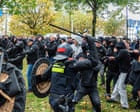
Dutch riot police dispersed several hundred far-right protesters in The Hague on Saturday, September 19, 2026, after violence erupted and local authorities banned a planned march against immigration and asylum policies. The protest, which had gathered in a city centre park, saw participants throw fireworks and other projectiles at officers. The Dutch public broadcaster NOS reported that 24 individuals were arrested in connection with the disturbances. The decision to ban the march was made by local authorities in response to the escalating unrest and the potential for further violence. The far-right demonstration was intended to voice opposition to the Netherlands' current immigration and asylum policies, a topic that has been a subject of significant political debate within the country. The events in The Hague highlight ongoing tensions surrounding immigration and the activities of far-right groups in the Netherlands. This incident follows a pattern of protests and counter-protests related to immigration policies in various European nations, reflecting broader societal concerns and political divisions. The use of riot police and arrests underscores the seriousness with which authorities viewed the situation and their commitment to maintaining public order. The specific location of the protest, a city centre park, suggests an attempt to gain public visibility for their cause, which was ultimately disrupted by the police intervention. The number of arrests, 24, indicates a substantial level of participation in the more aggressive elements of the demonstration. The projectiles thrown at police, including fireworks, represent a direct escalation of hostility and a clear violation of public order regulations. The ban on the march itself signifies a proactive measure by the authorities to de-escalate the situation and prevent further confrontation. The reporting by NOS, a reputable Dutch public broadcaster, lends credibility to the details of the arrests and the nature of the violence. The far-right movement in the Netherlands, as in many other European countries, has been vocal in its criticism of current immigration levels and integration policies, often advocating for stricter border controls and reduced asylum seeker numbers. This protest appears to be a manifestation of that activism, unfortunately devolving into violence. The authorities' response, while firm, also aims to balance the right to protest with the need to ensure public safety and prevent property damage. The situation in The Hague serves as a case study in the challenges faced by European governments in managing public demonstrations related to sensitive political issues like immigration. The specific details of the projectiles and the number of arrests provide concrete evidence of the disorder that occurred. The ban on the march, a significant action by local authorities, demonstrates the severity of the perceived threat to public order. The far-right's opposition to immigration and asylum policies is a recurring theme in Dutch politics, making this protest a reflection of ongoing societal debates.
Original source — read the full reporting at the publisher:
Read on The Guardian WorldGet the weekly AI digest
AI news + new model releases, weekly. Drafted by our agents, reviewed by humans.