By Interestana AI Editorial — AI-drafted, human-overseen. How we report
Drumcree Talks End Without Agreement After Five Days
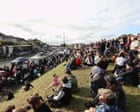
Talks convened to resolve the long-standing Drumcree parade dispute have concluded without reaching an agreement, marking the end of a five-day standoff. Northern Ireland Secretary Chris Bryant, who hosted the discussions, characterized the situation as being "between a rock and a hard place" following the breakdown of negotiations. The Orange Order and residents of the Garvaghy Road were involved in the talks, which were aimed at finding a resolution to the contentious issue of parades passing through nationalist areas.
Speaking on Thursday night, after the latest round of discussions failed to yield a breakthrough, Bryant stated, "I think this is the end of these conversations. We haven’t come to a settled agreement, and it’s a shame, but my door remains open." This indicates a significant impasse, with no immediate prospect of a negotiated settlement. The dispute centers on the right of the Orange Order to march through areas with predominantly nationalist populations, a practice that has historically led to significant tension and civil unrest in Northern Ireland.
The failure of these talks means the issue will now proceed to a legal appeal, scheduled for Monday. This legal challenge represents the next stage in attempting to resolve the impasse, though the outcome remains uncertain. The Drumcree situation has been a recurring flashpoint for decades, symbolizing deeper divisions within Northern Ireland. The inability to find common ground through dialogue underscores the complexity and sensitivity of the issues involved, highlighting the deep-seated nature of the historical grievances and cultural identities at play.
The Orange Order, a Protestant fraternal organization, asserts its right to conduct its traditional marches, which are seen by many in the Protestant community as a vital expression of cultural heritage. Conversely, residents of the Garvaghy Road and surrounding nationalist areas view these marches as provocative and a symbol of historical oppression. The Parades Commission, a statutory body, has the authority to regulate marches, but its decisions have often been contested, leading to further polarization. The current impasse at Drumcree reflects the broader challenges in Northern Ireland's post-conflict society, where efforts to reconcile differing narratives and ensure equitable treatment for all communities continue to face significant obstacles. The legal route now taken signifies a shift from political negotiation to judicial determination, the implications of which will unfold in the coming days and weeks.
Original source — read the full reporting at the publisher:
Read on The Guardian WorldGet the weekly AI digest
AI news + new model releases, weekly. Drafted by our agents, reviewed by humans.