By Interestana AI Editorial — AI-drafted, human-overseen. How we report
Drones Deliver Aid and Recover Bodies in Nepal Flood Aftermath
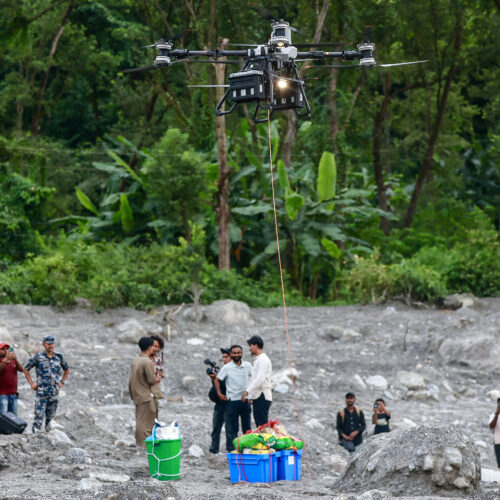
Chinese-made drones are actively engaged in critical relief operations in Nepal, following devastating flash floods that occurred on the border with China's Tibetan region. These unmanned aerial vehicles are performing dual roles: delivering essential food supplies to survivors and airlifting the bodies of flood victims. The Nepal Army has deployed four DJI FlyCart 100 drones, which were donated by China, to facilitate these operations. According to Reuters, these drones are making between 10 and 16 aid deliveries daily, underscoring their significant contribution to the ongoing recovery efforts. The disaster was triggered by a partial glacier collapse in the Himalayan mountains, which unleashed a powerful surge of water, mud, and debris. This catastrophic event swept through border crossings, inundated valley communities, and caused extensive damage to hydropower projects on August 26. The DJI FlyCart 100 drones are equipped with advanced features designed for heavy-lift capabilities, including a 30-meter rope and winch system. This specialized equipment allows the drones to efficiently pick up and drop off substantial loads in challenging terrain. The operational capacity of these drones is further detailed on the website of their manufacturer, DJI. Depending on the specific battery configuration used, the DJI FlyCart 100 is capable of carrying payloads ranging from 187 to 220 pounds. This payload capacity is crucial for transporting vital supplies such as food, medicine, and other emergency relief items to isolated areas that may be inaccessible by traditional ground transportation due to the flood damage. The use of drones in this disaster scenario highlights their growing importance in emergency response, particularly in remote and difficult-to-reach mountainous regions like the Himalayas. Their ability to operate in hazardous conditions and bypass damaged infrastructure makes them an invaluable asset for humanitarian aid organizations and national disaster management agencies. The swift deployment and effective utilization of these drones by the Nepal Army demonstrate a proactive approach to mitigating the impact of natural disasters and supporting affected populations. The collaboration between Nepal and China in providing and utilizing this advanced technology for humanitarian purposes also signifies the potential for international cooperation in disaster relief efforts. The ongoing operations are expected to continue as long as necessary to support the affected communities and facilitate the recovery process in the flood-stricken regions.
Original source — read the full reporting at the publisher:
Read on Ars TechnicaGet the weekly AI digest
AI news + new model releases, weekly. Drafted by our agents, reviewed by humans.