By Interestana AI Editorial — AI-drafted, human-overseen. How we report
Donut Lab Claims Miracle Battery Based on Limited Lab Test
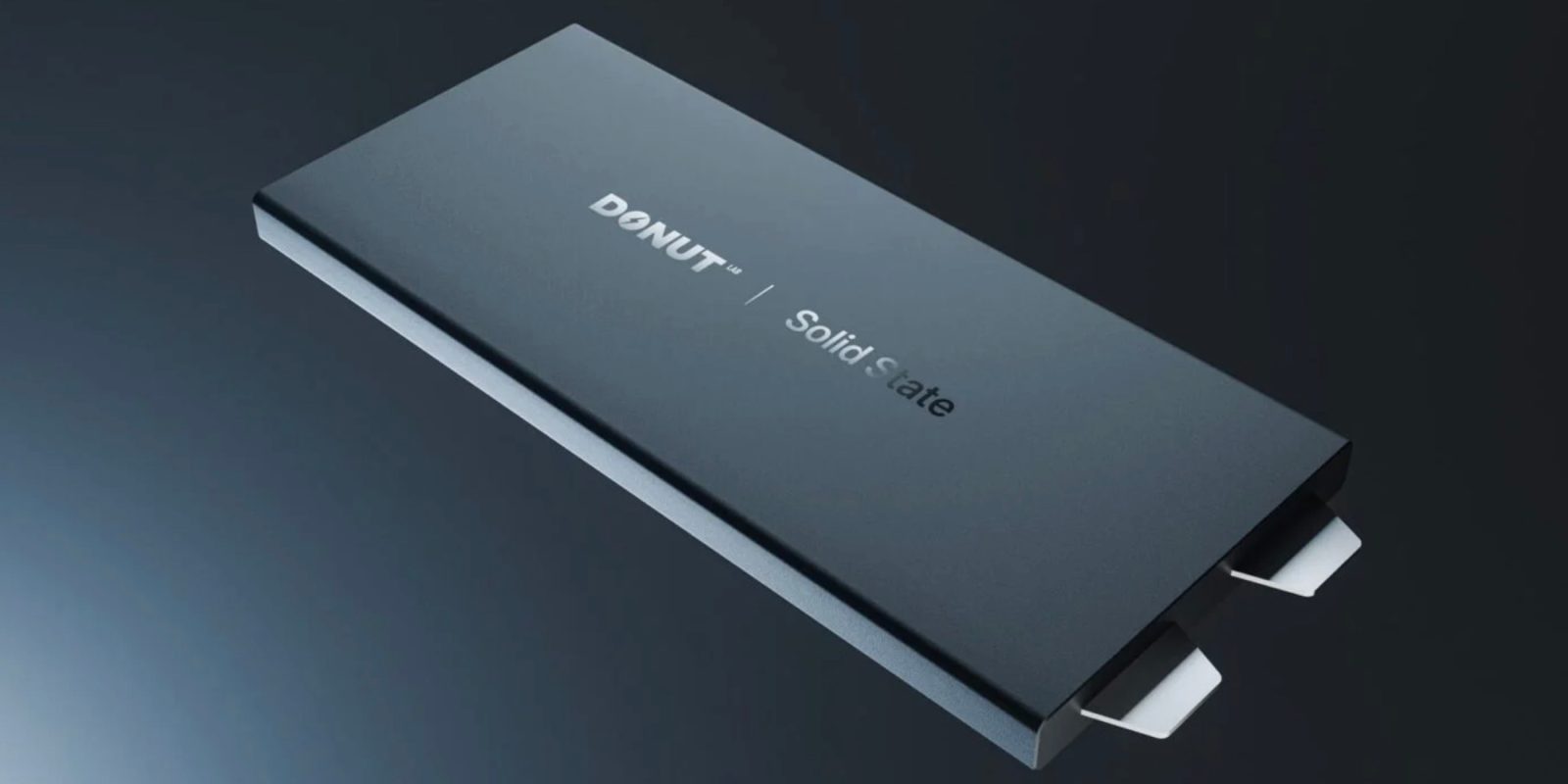
Finnish startup Donut Lab is asserting that its "miracle solid-state battery" represents a novel technological advancement, based on a limited analysis conducted by Intertek, a UK-based laboratory. The specific claim hinges on a finding of only 3.4 parts per million (ppm) of lithium within a sample of the battery cell. Donut Lab is leveraging this low lithium concentration to argue that its battery technology is neither a lithium-ion nor a sodium-ion variant, suggesting it falls into a distinct category. However, the Intertek report itself is noted to have measured only two elements, and crucially, the cell analyzed was one that Donut Lab had disassembled prior to the lab's examination. This raises questions about the integrity and comprehensiveness of the sample provided for testing.
Further casting doubt on Donut Lab's assertions is the absence of any tangible, real-world demonstration of the battery's capabilities. Nine months after the company's appearance at CES (Consumer Electronics Show), a major technology trade show, there has been no production vehicle equipped with Donut Lab's battery. This lack of a functional prototype or integration into any operational system means the purported "miracle" remains unproven. The company's narrative appears to be built on a single, narrowly focused laboratory result, rather than on demonstrated performance or independent validation from multiple sources. The limited scope of the Intertek analysis, focusing on just two elements and using a self-disassembled cell, means it cannot definitively characterize the battery's overall composition or operational principles.
Donut Lab's strategy of promoting its technology through a single, potentially misleading, lab report highlights a common challenge in the battery industry: the difficulty of verifying claims of breakthrough solid-state battery technology. Solid-state batteries are highly sought after for their potential to offer higher energy density, faster charging, and improved safety compared to conventional lithium-ion batteries. However, achieving these benefits in a commercially viable and scalable manner has proven exceptionally difficult. Many companies are working on various approaches to solid-state electrolytes and electrode materials, but widespread commercialization is still years away for most.
In this context, Donut Lab's reliance on a single, limited test result from Intertek, without providing broader evidence of performance, longevity, or scalability, positions their claims as unsubstantiated. The absence of independent verification and practical application, such as integration into a vehicle, means that the scientific and engineering community remains skeptical. The company's statement that the battery is neither lithium-ion nor sodium-ion, based solely on a low lithium measurement in a self-prepared sample, lacks the robust evidence required for such a significant technological declaration. The industry standard for validating new battery technologies involves extensive testing, peer review, and demonstration of performance under various conditions, none of which appears to have been met by Donut Lab at this stage.
Original source — read the full reporting at the publisher:
Read on ElectrekGet the weekly AI digest
AI news + new model releases, weekly. Drafted by our agents, reviewed by humans.