By Interestana AI Editorial — AI-drafted, human-overseen. How we report
Donut Lab Claims 409 Wh/kg Battery Density Amid Credibility Issues
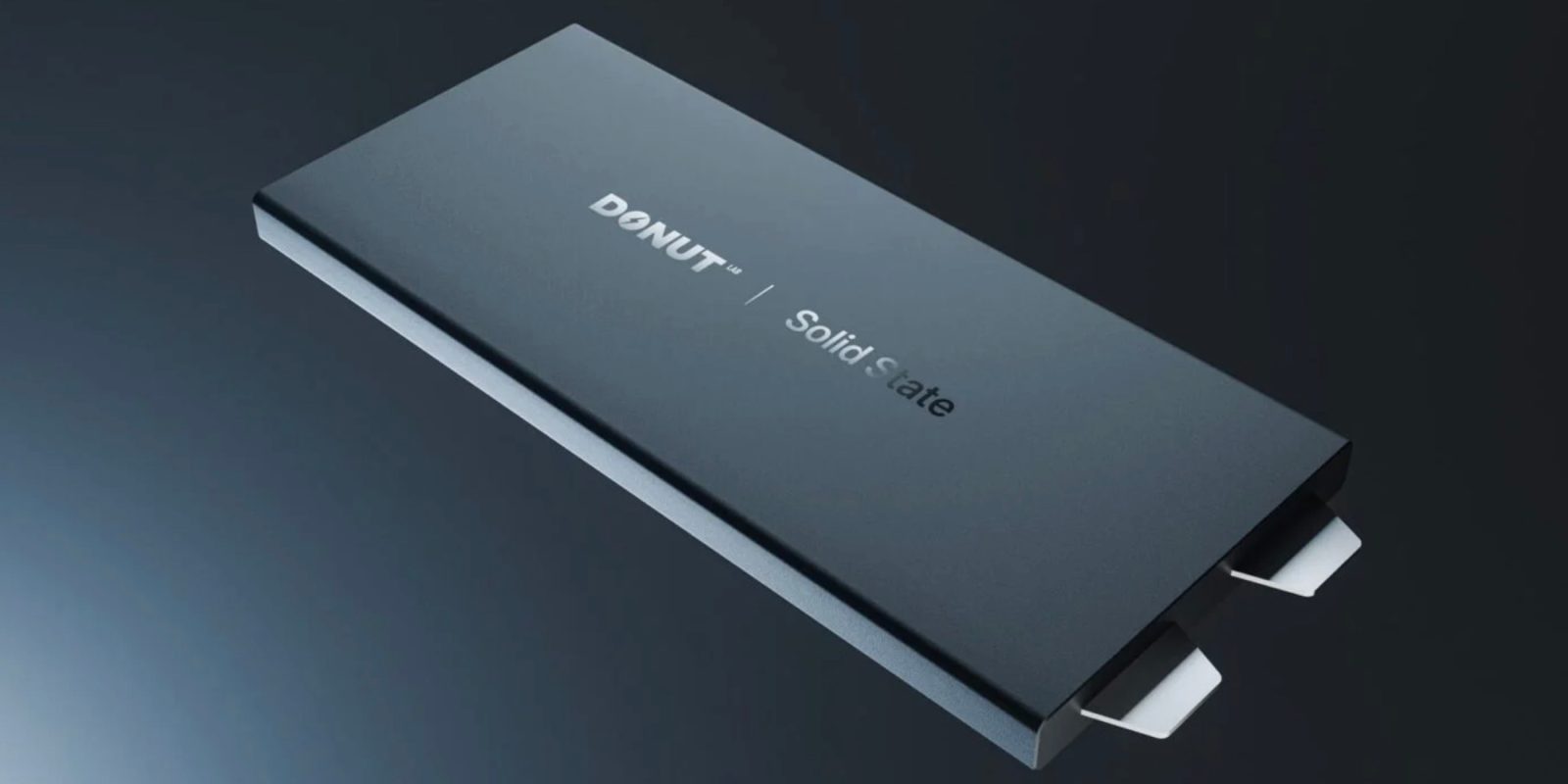
Donut Lab has released results from an independent laboratory test indicating its battery achieved an energy density of 409 watt-hours per kilogram (Wh/kg) and 805 watt-hours per liter (Wh/L). This marks the first time the company has publicly disclosed an energy density figure following a period of intense scrutiny. However, these new claims are juxtaposed against a previously broken promise by Donut Lab regarding the production status of its "solid-state" cell. The company had stated that this cell was slated for production and intended to power an electric vehicle (EV) by the end of the first quarter of 2026. This timeline has not been met, and the battery is not currently in production for EVs. The independent test was conducted by an unnamed third-party laboratory, and the full details of the testing methodology and results have not been made widely available. Donut Lab's previous assertions about its solid-state battery technology have faced significant doubt from industry observers and analysts. The company has been working on developing a novel solid-state battery chemistry, aiming to surpass the energy density of current lithium-ion batteries, which typically range from 250-300 Wh/kg for consumer electronics and lower for automotive applications. Achieving 409 Wh/kg would represent a substantial leap forward, potentially enabling EVs with significantly longer ranges or smaller, lighter battery packs. The "solid-state" designation refers to batteries that use a solid electrolyte instead of the liquid or polymer gel electrolytes found in conventional lithium-ion batteries. Solid electrolytes are theorized to offer improved safety, higher energy density, and faster charging capabilities. However, manufacturing solid-state batteries at scale and at a competitive cost has proven to be a major challenge for many companies in the field. Donut Lab's struggle to meet its production deadlines raises questions about the scalability and readiness of its technology. The company's public statements have often been met with skepticism, particularly concerning its claims of rapid commercialization. The lack of transparency regarding the independent testing process further contributes to the doubts surrounding the 409 Wh/kg figure. Without detailed information on the battery's composition, the testing conditions, and the specific metrics used, it is difficult for external experts to validate the results. The automotive industry is keenly watching advancements in battery technology, as it is a critical component for the widespread adoption of electric vehicles. Companies like Tesla, BYD, and numerous startups are investing heavily in battery research and development, with many also exploring solid-state battery solutions. The competitive landscape is fierce, and companies that can deliver on performance, safety, and cost are likely to gain a significant advantage. Donut Lab's announcement, while presenting a potentially impressive technical achievement, is overshadowed by its history of unfulfilled commitments and a lack of verifiable evidence to support its current claims. The company's credibility remains a significant hurdle to overcome, regardless of the laboratory test results.
Original source — read the full reporting at the publisher:
Read on ElectrekGet the weekly AI digest
AI news + new model releases, weekly. Drafted by our agents, reviewed by humans.