By Interestana AI Editorial — AI-drafted, human-overseen. How we report
Russians Unlikely to Protest War Despite Drone Attacks
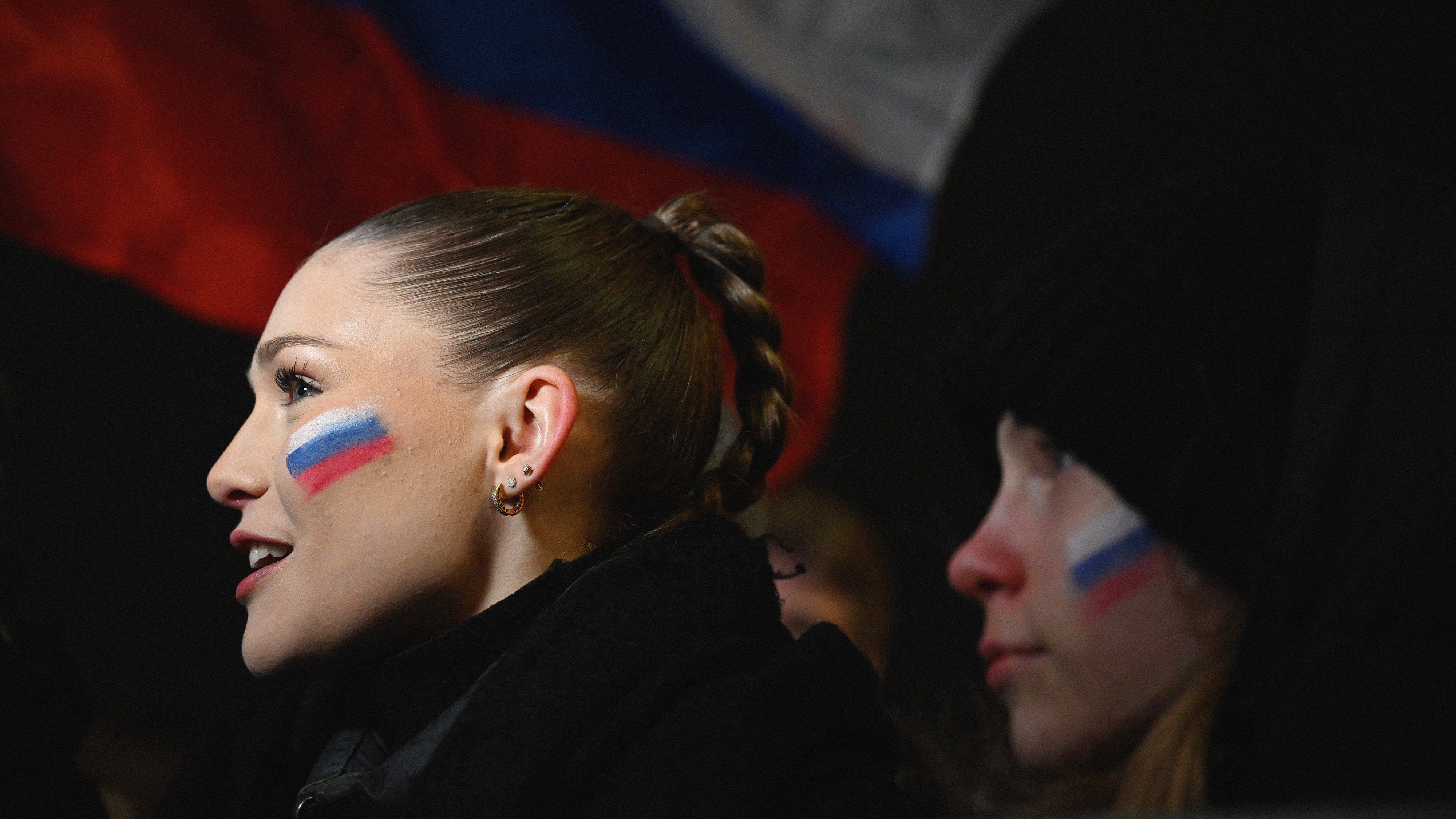
Ukraine's strategic hope that escalating drone attacks on Russian territory would incite significant public dissent appears unlikely to materialize, according to analysis. While these attacks have reached deeper into Russia than ever before, demonstrating a growing Ukrainian capability, they have not yet translated into the kind of mass public demonstrations that might challenge the Kremlin's narrative or authority. Several interconnected factors contribute to this assessment, suggesting that the threshold for widespread public protest remains high.
The Russian state apparatus has proven adept at managing internal dissent, employing a combination of surveillance, censorship, and legal measures to suppress opposition. Independent media outlets have been largely silenced or driven underground, and public gatherings are strictly controlled. The government's narrative, disseminated through state-controlled media, frames the conflict in Ukraine as a defensive struggle against Western aggression, a narrative that resonates with a significant portion of the population, particularly in the absence of widespread, direct personal impact from the war.
Furthermore, the nature of the drone attacks themselves, while symbolic and disruptive, has not yet created a level of direct, widespread personal hardship that typically galvanizes mass protest. While some attacks have targeted military infrastructure or industrial sites, they have not, to date, led to the kind of widespread civilian casualties or severe economic disruption that could provoke a broad public backlash. The Russian population has also demonstrated a degree of resilience and adaptation to sanctions and economic pressures, further mitigating the potential for widespread discontent.
Historical context also plays a role. Russia has a complex relationship with public protest, often characterized by a degree of societal deference to state authority, especially during times of perceived national crisis. The current geopolitical climate, amplified by state propaganda, has fostered an environment where questioning the official line carries significant personal risk. Therefore, while Ukraine's drone campaign represents a significant escalation in the conflict's reach, it is unlikely to be the sole catalyst for the kind of internal political upheaval that might alter Russia's course in Ukraine.
Original source — read the full reporting at the publisher:
Read on The AtlanticGet the weekly AI digest
AI news + new model releases, weekly. Drafted by our agents, reviewed by humans.