By Interestana AI Editorial — AI-drafted, human-overseen. How we report
Ferrari Purosangue Review: A Four-Door V12 Grand Tourer
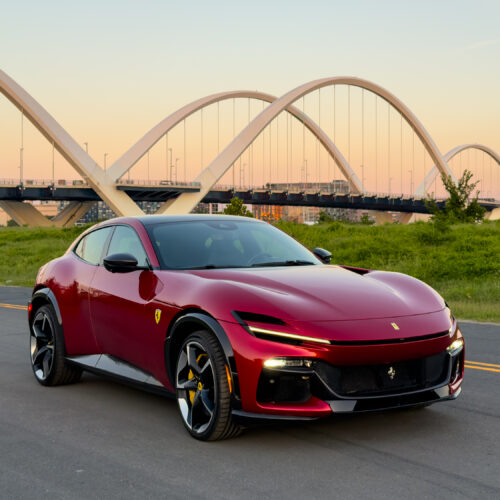
Ferrari has introduced the Purosangue, a vehicle that deviates from its traditional two-seat sports car identity by offering a four-door configuration with enhanced rear passenger accommodations. This marks a significant evolution from earlier models like the 250 GT 2+2 and the 612, which featured rear seats primarily for occasional use. The Purosangue's design includes a pair of rear-hinged doors that provide direct access to two individual rear bucket seats, distinguishing it from previous four-seater models. While it possesses a rear hatch, making it technically a five-door vehicle, Ferrari designates it as an FUV, or Ferrari Utility Vehicle, rather than an SUV. This distinction is partly due to its internal layout, which features an immovable firewall separating the cargo area from the passenger cabin, and rear seats that do not fold flat. Consequently, while capable of carrying passengers and some cargo, it may require additional solutions like a roof rack for transporting bulky equipment for activities such as skiing or cycling. The Purosangue is powered by a 6.5-liter naturally aspirated V12 engine. This engine is mounted in a front-mid configuration, contributing to a balanced 49:51 front-to-rear weight distribution. This balance is further supported by an eight-speed, dual-clutch transaxle gearbox for the rear wheels, with a separate power transfer unit driving the front wheels, making it an all-wheel-drive vehicle. The V12 engine delivers an impressive 715 horsepower (533 kW) and 528 lb-ft (716 Nm) of torque. The vehicle measures 195.8 inches in length. Ferrari's historical approach to accommodating more than one passenger dates back to the 1960s with models like the 250 GT 2+2. Subsequent models, such as the FF and GTC4, evolved this concept with features like all-wheel drive and hatchback designs, though they retained a three-door configuration and prioritized cargo space over rear passenger comfort compared to the Purosangue. The Purosangue represents a deliberate effort by Ferrari to integrate greater practicality and passenger comfort into a performance-oriented vehicle without compromising the brand's core sporting ethos. The FUV designation underscores Ferrari's intent to position the Purosangue as a unique offering that transcends conventional automotive categories, emphasizing its performance capabilities and luxurious appointments alongside its increased utility.
Original source — read the full reporting at the publisher:
Read on Ars TechnicaGet the weekly AI digest
AI news + new model releases, weekly. Drafted by our agents, reviewed by humans.