By Interestana AI Editorial — AI-drafted, human-overseen. How we report
The Economist: 'How This War Ends' is the Wrong Question
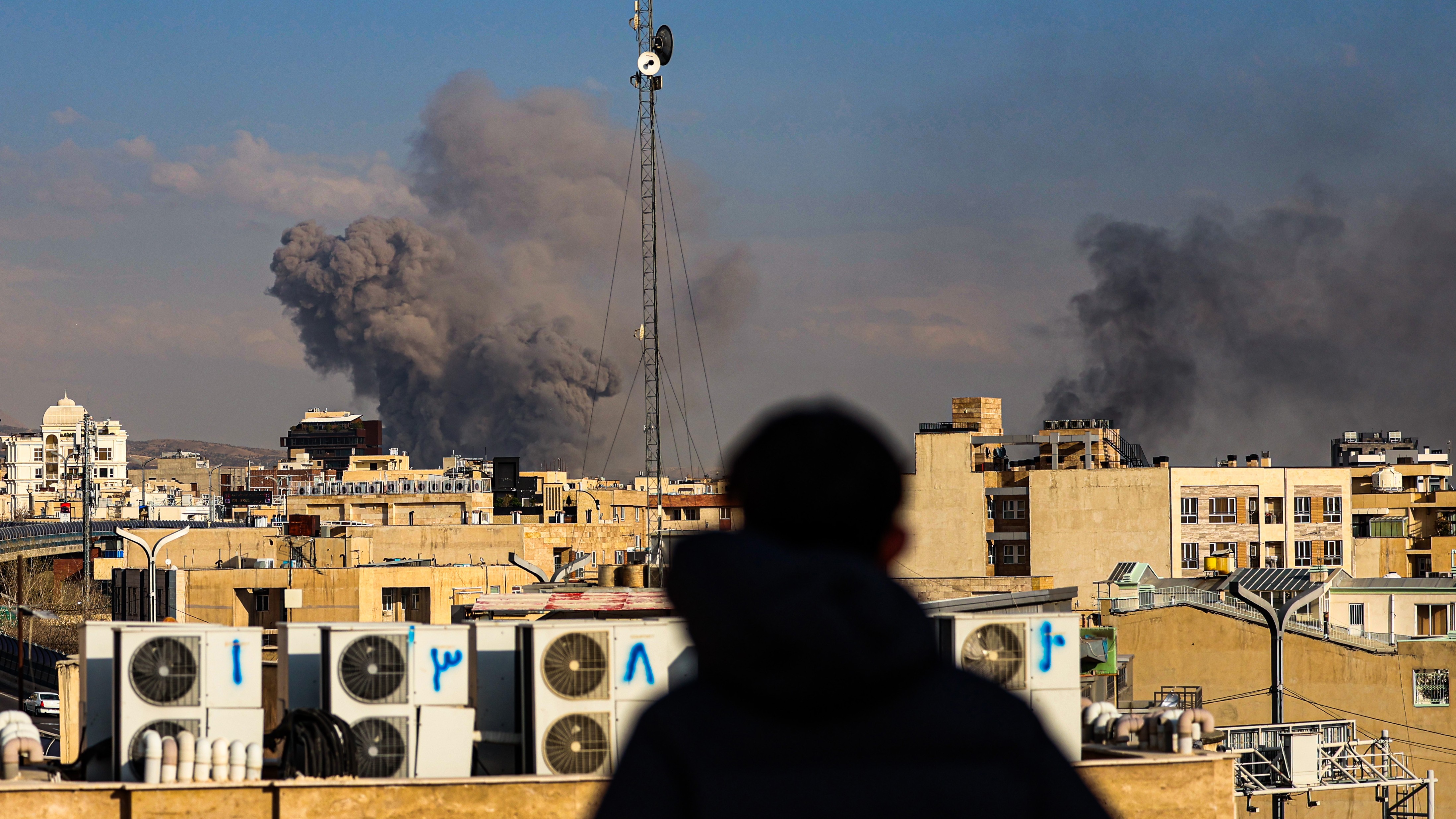
An analysis published by The Economist asserts that the prevailing question of 'how this war ends' is fundamentally flawed, urging a reorientation of focus towards the conditions that sustain conflict and the processes by which it might eventually be resolved. The author contends that modern warfare rarely concludes with a clear-cut victory or defeat, but rather evolves through prolonged phases of intense fighting, strategic stalemates, or protracted negotiations. This perspective challenges the conventional, often simplistic, narrative of a war reaching a definitive endpoint.
The article emphasizes that understanding the current dynamics of a conflict is far more crucial than predicting its ultimate conclusion. This involves a deep dive into the military capabilities, economic resilience, and political will of each belligerent, alongside an assessment of external influences and interventions that can shape the conflict's trajectory. The Economist suggests that the very notion of 'ending' a war is an oversimplification, as the underlying grievances and animosities can linger, potentially leading to frozen conflicts or the resurgence of hostilities long after active combat ceases. Consequently, the analysis advocates for a shift from a binary understanding of war's conclusion to a more sophisticated appreciation of conflict transformation and management.
This reframing implicitly critiques the pervasive tendency within media and public discourse to seek a neat, conclusive narrative for wars, one that culminates in a decisive moment of closure. The Economist implies that this desire for narrative simplicity can obscure the grim realities of prolonged human suffering, the depletion of national resources, and the pervasive geopolitical instability that characterize protracted warfare. By posing a more nuanced central question, the analysis aims to cultivate a more realistic and strategically informed approach to comprehending and potentially mitigating the enduring consequences of ongoing conflicts. The emphasis is thus placed on the intricate processes of de-escalation, the complexities of negotiation, and the arduous establishment of sustainable, albeit imperfect, peace, rather than on the often-elusive concept of a definitive, all-encompassing 'end'. This approach acknowledges that the cessation of active hostilities is merely one stage in a much longer, more complex journey towards lasting stability.
Original source — read the full reporting at the publisher:
Read on The AtlanticGet the weekly AI digest
AI news + new model releases, weekly. Drafted by our agents, reviewed by humans.