By Interestana AI Editorial — AI-drafted, human-overseen. How we report
Dolphin Dies From H5 Bird Flu in South Australia
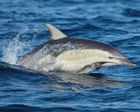
A dolphin has died from H5 bird flu in South Australia, representing the second native mammal species confirmed to have contracted the virus. This development coincides with the Australian federal government's decision to evacuate 24 expeditioners from the sub-Antarctic Macquarie Island research station. The evacuation is a precautionary measure due to the potential "psychosocial risk" associated with witnessing possible mass seal deaths from the H5N1 strain during the upcoming seal breeding season. The H5N1 virus, commonly known as avian influenza or bird flu, has been a significant concern globally, primarily affecting bird populations but increasingly demonstrating its capacity to infect mammals. The detection in a marine mammal like a dolphin highlights the virus's expanding host range and potential for cross-species transmission. Researchers at the Macquarie Island station were preparing for the breeding season, a period when seals congregate in large numbers, making them vulnerable to the virus. The government's decision to withdraw personnel underscores the seriousness of the potential impact on the local seal population and the psychological toll on the researchers who would be observing such an event. Macquarie Island, a UNESCO World Heritage site, is known for its rich biodiversity, including significant populations of seals and penguins, which are also susceptible to H5N1. The potential for a widespread outbreak among these populations could have devastating ecological consequences. The Australian Antarctic Division, responsible for managing the research station, has not provided specific details on the number of seals that might be affected but has indicated that the risk assessment led to the decision for evacuation. This incident follows previous concerns about H5N1 in other mammal species, including reports of infections in sea lions and other marine life in various parts of the world. The ongoing monitoring and research into the spread and impact of H5N1 are critical for understanding and mitigating future risks to both wildlife and potentially human health. The withdrawal from Macquarie Island is a significant operational decision, prioritizing the well-being of the expeditioners while acknowledging the scientific imperative to monitor the situation. Further research and surveillance will be crucial to track the virus's trajectory in this unique sub-Antarctic ecosystem and to understand the implications for conservation efforts.
Original source — read the full reporting at the publisher:
Read on The Guardian WorldGet the weekly AI digest
AI news + new model releases, weekly. Drafted by our agents, reviewed by humans.