By Interestana AI Editorial — AI-drafted, human-overseen. How we report
Dolly Parton Used Humor to Subvert Nashville's Male Dominance
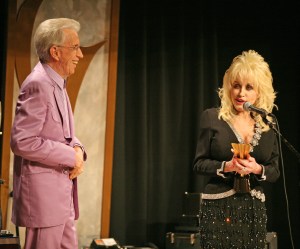
Dolly Parton, a figure renowned for her musical talent, sharp intellect, and unwavering ambition, frequently utilized humor as a strategic tool to navigate and subvert the male-dominated landscape of the Nashville music industry. A pivotal moment illustrating this approach occurred in 1973 during a live television duet of "Run That By Me One More Time" on "The Porter Wagoner Show." Parton had been a regular performer on the syndicated variety show since 1967, a period that marked her significant breakthrough in Nashville. However, she often felt constrained by her role as a subordinate to Porter Wagoner, her producer, who frequently exerted control over the musical arrangements of her songs. Despite Parton's growing commercial success, Wagoner was often dismissive of her creative contributions and vision.
The song "Run That By Me One More Time," written by Parton in 1970, depicts a marital dispute. During the live performance, Wagoner initiated the duet with a remark about Parton, to which she responded with a witty, pre-emptive retort, "Not yet, but I think I will after this." Following the opening lines, Parton delivered her verse, which included the lyrics, "Well you’re late again I see What’s your excuse this time? Don’t try to kiss and make up When you smell so strong from wine." As Wagoner prepared to sing his excuse for his late arrival, Parton unexpectedly interrupted him with a prolonged "Well, I –," feigning an intention to sing another line. This unexpected interruption visibly flustered Wagoner, who paused and asked Parton for her location within the song. Once back on track, Wagoner proceeded with his verse, questioning Parton about the whereabouts of the rent money.
Parton then launched into an ad-libbed explanation, stating, "You seen me put that money in that cookie jar the same day you brought it home and one day I come back from shopping and I looked and every dime of that money was gone but I didn’t get it and you know I didn’t get it." She continued speaking over Wagoner, asserting, "I didn’t get it. I don’t know who got it but I don’t want you packing it on me no more." This extended, improvised response, which exceeded her allotted time, elicited laughter from the audience. This incident exemplifies Parton's consistent strategy of using her lyrical prowess and improvisational skills to turn potentially subservient roles into opportunities for comedic dominance, thereby challenging the established power dynamics within the industry. Her ability to control the narrative and elicit laughter demonstrated a profound understanding of performance and a subtle yet effective method of asserting her agency and intelligence in a field that often sought to limit female artists' creative control. This approach allowed her to maintain her artistic integrity and build a powerful personal brand that transcended the limitations imposed by the traditional Nashville music establishment.
Original source — read the full reporting at the publisher:
Read on FortuneGet the weekly AI digest
AI news + new model releases, weekly. Drafted by our agents, reviewed by humans.