By Interestana AI Editorial — AI-drafted, human-overseen. How we report
US Revives Centuries-Old Prize Law for Seizing Iranian Oil Tankers
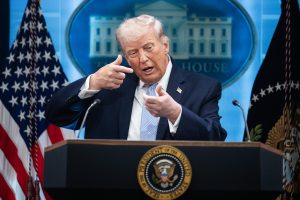
The United States is reviving prize law, a centuries-old legal tradition, to facilitate the seizure and sale of Iranian oil tankers and their assets. Aaron Reitz, the U.S. Attorney for the Southern District of Texas, confirmed to Fortune the revival of this body of law, which permits military forces to seize enemy vessels. This legal framework is intended to bolster national security interests by allowing the U.S. military to capture vessels or cargo that support an adversary during military conflict. Federal courts will adjudicate the disposition of these captured assets, whether through condemnation, return, or sale, as outlined by prize law. Reitz stated that prize law is an ancient set of maritime rules, already codified in statute, which is now being revived to govern the process of handling seized maritime property. The invocation of prize laws is designed to strengthen the naval blockade against Iran and enable the recoupment of war-related costs. This development was initially reported by Bloomberg Law. Prize law stands in contrast to civil seizure laws, which necessitate the U.S. government identifying a specific statutory violation by a vessel and establishing jurisdiction over that violation, often leading to extensive litigation. Michael Frevola, a maritime litigation partner at Holland & Knight LLP, noted this distinction. Unlike civil seizure, prize law does not require a captor to possess a warrant or link a vessel's seizure to a violation of an existing statute. Instead of law enforcement agencies like the Coast Guard executing seizures under civil laws, the Department of Defense can utilize military force to seize an enemy vessel. The historical roots of U.S. prize law trace back to the Middle Ages, and it has been integrated into the U.S. legal system since its inception. The U.S. Constitution itself includes provisions for capturing and confiscating enemy vessels during wartime, as detailed in its Captures Clause. During the 19th century, President Abraham Lincoln notably employed the Prize Act of 1862, a significant piece of legislation that codified and expanded upon existing prize law principles. The revival of prize law by the Trump administration signifies a strategic shift in how the U.S. intends to exert pressure on Iran, particularly concerning its oil exports, which are a critical source of revenue for the Iranian government. By leveraging this ancient legal tool, the U.S. aims to create a more direct and potentially swifter mechanism for disrupting Iran's economic activities and funding of regional activities deemed destabilizing by the U.S. The application of prize law in contemporary maritime conflicts or geopolitical tensions presents a novel approach, moving beyond traditional sanctions and civil forfeiture proceedings. The readiness of federal courts to handle these adjudications under prize law principles will be a key factor in the effectiveness of this revived legal strategy. The historical precedent set by figures like Abraham Lincoln underscores the gravity and historical significance of employing such measures in times of national security concern.
Original source — read the full reporting at the publisher:
Read on FortuneGet the weekly AI digest
AI news + new model releases, weekly. Drafted by our agents, reviewed by humans.