By Interestana AI Editorial — AI-drafted, human-overseen. How we report
Trump's Midterm Election Influence Questioned
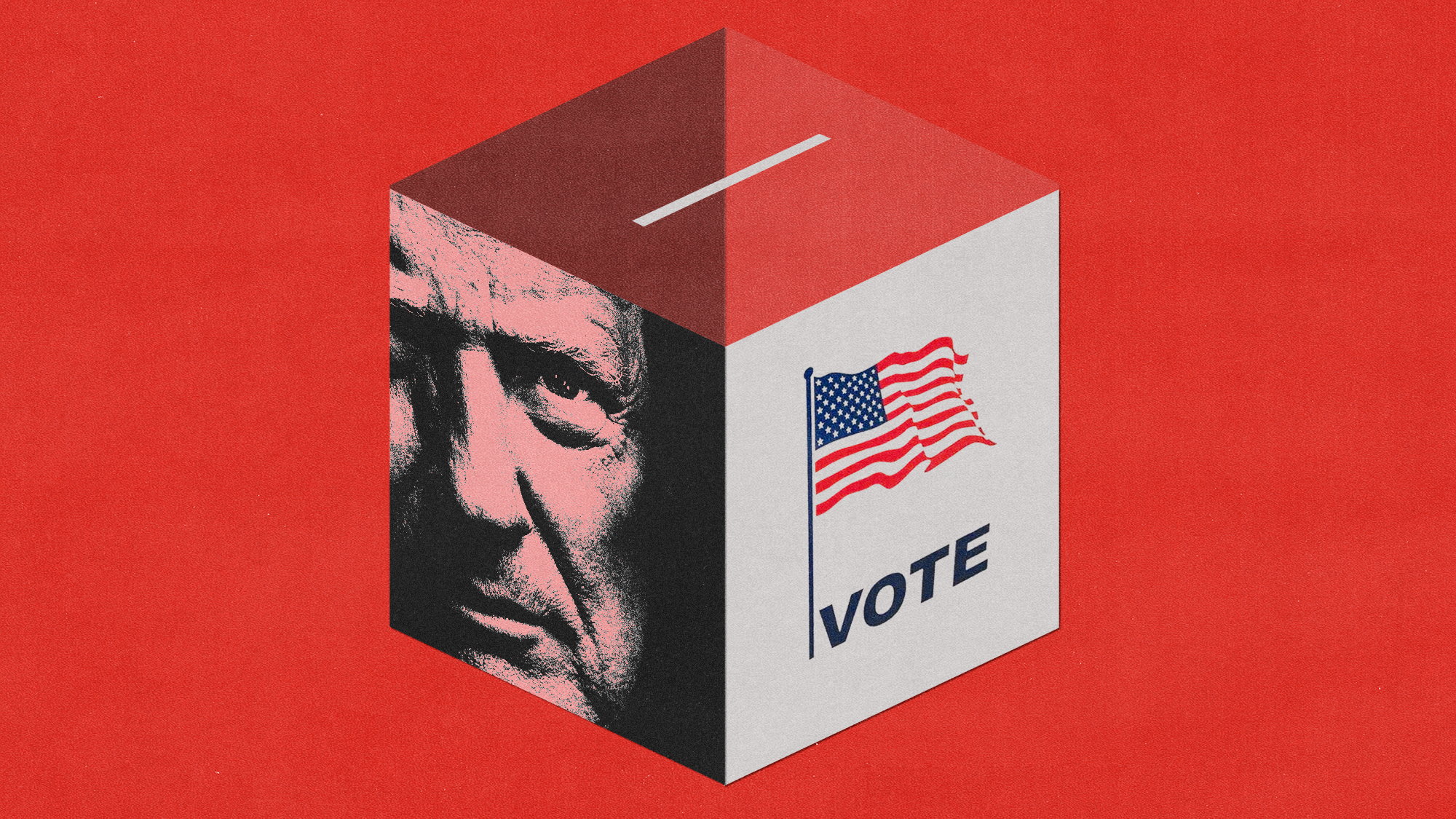
The influence of former President Donald Trump on the Republican Party's performance in the upcoming midterm elections is a subject of considerable debate and analysis. Traditionally, candidates facing an unpopular incumbent president or party often seek to distance themselves to improve their electoral chances. However, in the current political climate, this strategy is complicated by Trump's continued sway within the Republican base and his active involvement in endorsing candidates. His public statements and endorsements carry significant weight, potentially galvanizing his supporters but also risking alienating moderate or independent voters who may be wary of his influence.
Analysts are examining whether Trump's endorsements are a net positive or negative for Republican candidates. While his backing can energize a core group of voters and secure loyalty, it can also become a liability in swing districts or among suburban electorates that have shown a willingness to break from the party. The former president's rhetoric and policy positions, which were central to his presidency, continue to be a focal point, and candidates who align too closely with him may face increased scrutiny on these issues. The Republican Party's strategy for the midterms appears to be navigating a delicate balance between appealing to Trump's loyalists and broadening their appeal to a wider electorate.
The impact of Trump's involvement is not confined to individual candidate races. It also shapes the broader narrative and priorities of the Republican Party. His focus on issues such as election integrity, immigration, and economic policy continues to resonate with a significant portion of the Republican electorate. However, critics argue that this focus may detract from other pressing concerns or alienate voters who are more focused on issues like healthcare, education, or environmental policy. The success of Republican candidates in the midterms may therefore depend on their ability to harness the energy of Trump's base while also demonstrating an understanding of the diverse concerns of the electorate.
The upcoming midterm elections are seen as a crucial test for the Republican Party's direction and Trump's enduring political capital. The outcomes will likely provide insights into the extent to which his influence continues to shape electoral politics and the party's future trajectory. The question of whether Trump wants Republicans to win the midterms is less about his desire for party victory and more about how his specific brand of politics and his endorsements will ultimately affect the electoral success of candidates seeking to represent Republican interests in Congress and at state levels.
Original source — read the full reporting at the publisher:
Read on The AtlanticGet the weekly AI digest
AI news + new model releases, weekly. Drafted by our agents, reviewed by humans.