By Interestana AI Editorial — AI-drafted, human-overseen. How we report
Indiana Study Finds No Home Value Decline From Wind, Solar Farms
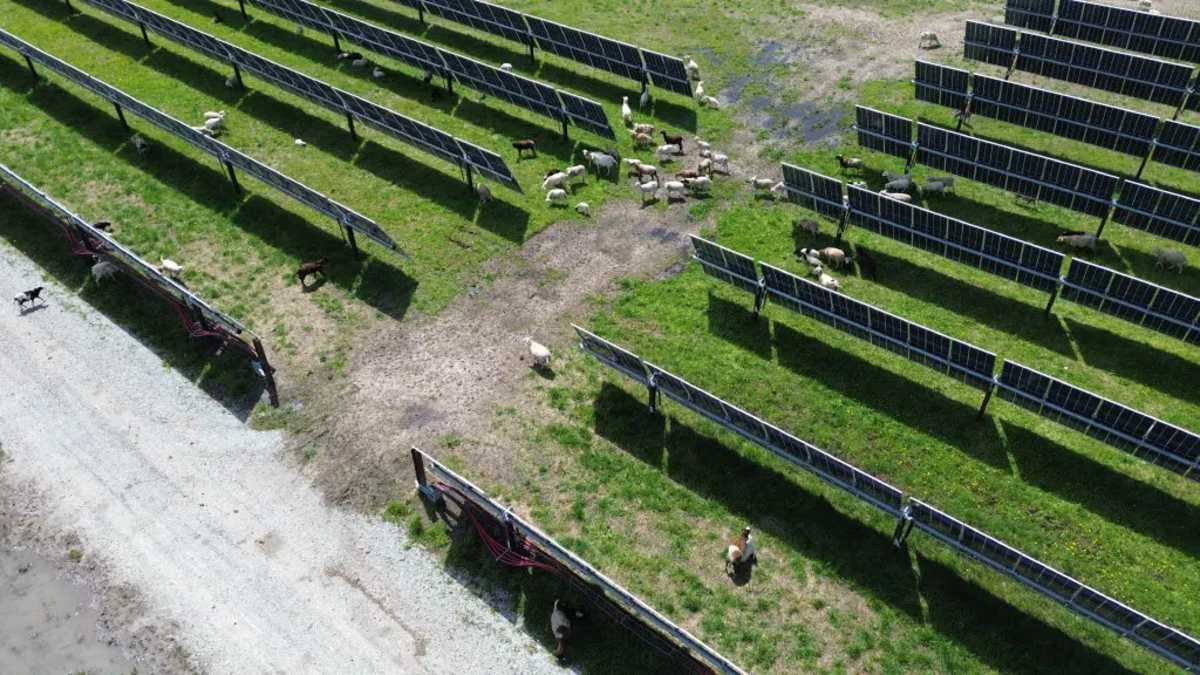
A comprehensive 20-year study conducted in Indiana has concluded that the development of wind and solar farms does not lead to a statistically significant decline in nearby residential property values. This research directly addresses a persistent concern often raised by communities considering or opposing renewable energy projects: the potential negative impact on real estate markets. The findings suggest that the economic and environmental benefits of renewable energy infrastructure may outweigh the perceived aesthetic or disruptive drawbacks that some residents fear could affect their home's marketability.
The study, which analyzed property sales data over two decades, examined a range of factors that typically influence home values, including proximity to the renewable energy installations, the size and scale of the farms, and prevailing market conditions. Researchers meticulously controlled for other variables such as local economic trends, school district quality, and general housing market fluctuations to isolate the specific effect of wind and solar farms. The absence of a discernible negative correlation between the presence of these farms and home prices indicates that the market does not penalize properties located near them.
This empirical evidence from Indiana provides a counterpoint to anecdotal claims and localized concerns that have often been cited in debates surrounding renewable energy siting. While individual perceptions of visual impact or noise can vary, the aggregate effect on property values, as measured by actual sales transactions, appears to be negligible. The study's methodology, which spans a substantial period and a significant geographical area within Indiana, lends considerable weight to its conclusions. Such findings could inform future policy decisions and public discourse regarding the expansion of clean energy infrastructure, potentially alleviating a key point of contention for local stakeholders.
The implications of this study extend beyond Indiana, offering valuable data for policymakers, developers, and homeowners across the country and internationally. As the global push for renewable energy intensifies, understanding and addressing community concerns is paramount. This research suggests that the fear of depreciating home values, a common barrier to renewable energy projects, may be largely unfounded according to this extensive analysis. The study's detailed examination over a 20-year period provides a robust dataset for understanding long-term market reactions to renewable energy development, contributing to a more evidence-based approach to energy policy and land-use planning.
Original source — read the full reporting at the publisher:
Read on ElectrekGet the weekly AI digest
AI news + new model releases, weekly. Drafted by our agents, reviewed by humans.