By Interestana AI Editorial — AI-drafted, human-overseen. How we report
Whale Behavior Suggests Grief Over Stillborn Calf
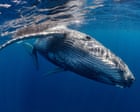
Rare underwater video footage captured off Australia's Gold Coast last July has provided scientists with observations that may suggest humpback whales exhibit grief. The encounter involved a mother humpback whale remaining with her stillborn calf on the seafloor for an extended period, a behavior that marine biologist Olaf Meynecke and his team documented. The calf, which was motionless, lay on the seafloor approximately one kilometer from the coast. The video, shared via YouTube, shows the mother whale interacting with the deceased calf, nudging it and staying in close proximity. Meynecke, speaking for The Conversation, noted that while these observed behaviors could represent grief, they might also stem from maternal attachment, confusion, or instinctive caregiving responses. The scientific community has long debated the emotional capacities of cetaceans, with evidence for complex social structures and communication in species like whales and dolphins. However, direct observation of behaviors that could be interpreted as grief has been scarce, making this footage particularly significant. The research team's analysis of the whale's actions aims to contribute to a deeper understanding of cetacean emotional lives and social bonds. Previous studies have documented complex social interactions, mourning rituals in some species, and strong mother-calf bonds in whales, but the specific behaviors observed in this instance offer a unique window into potential grieving processes. The mother's persistent presence and interaction with the deceased calf, rather than abandoning it, are key elements that prompt this interpretation. Further research and analysis are planned to contextualize these findings within broader knowledge of whale behavior and cognition. The implications of this observation extend to our understanding of animal sentience and the complex emotional spectrum that may exist within non-human species. The footage was captured near the Gold Coast, a well-known area for whale migration and breeding, providing a natural setting for such an observation. The scientific interpretation is cautious, acknowledging the difficulty in definitively attributing human-like emotions to animals, but the observed actions are compelling enough to warrant serious consideration as indicators of grief or a profound form of distress related to the loss of offspring. This event underscores the ongoing efforts by researchers to document and understand the intricate lives of marine mammals.
Original source — read the full reporting at the publisher:
Read on The Guardian EnvironmentGet the weekly AI digest
AI news + new model releases, weekly. Drafted by our agents, reviewed by humans.