By Interestana AI Editorial — AI-drafted, human-overseen. How we report
Trump's Mar-a-Lago Renovation Plan Sparks Controversy Over Painting Granite
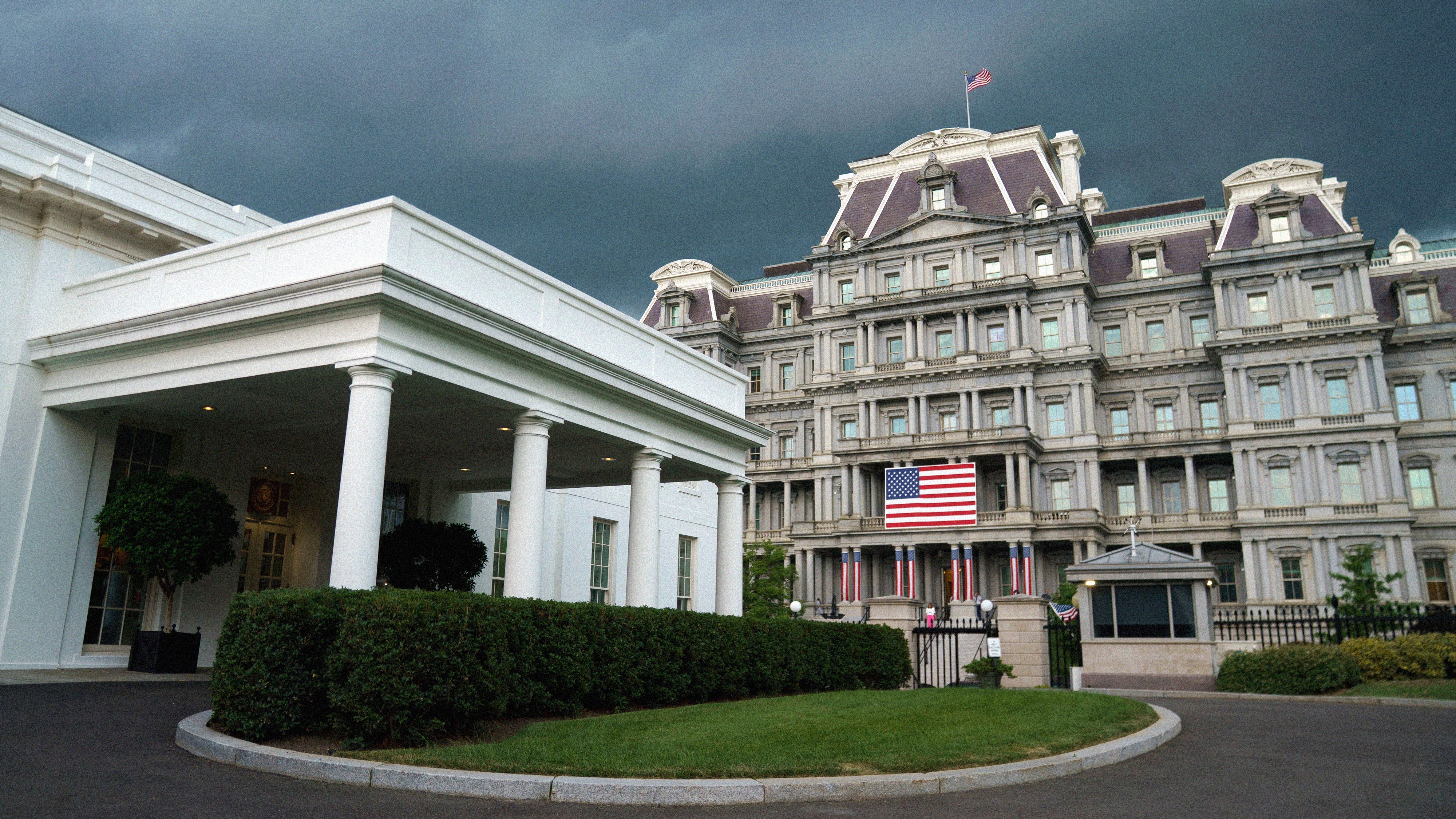
Donald Trump's latest renovation initiative at his Mar-a-Lago estate in Palm Beach, Florida, has reportedly put forth a proposal to paint granite surfaces. This suggestion has been met with significant concern and criticism from building maintenance professionals and experts in historic preservation, who universally identify it as a violation of fundamental principles of building upkeep and material care. The proposal surfaced in documents submitted to the Florida Department of Environmental Protection, signaling a potentially drastic departure from established methods for maintaining natural stone.
Granite, a robust and aesthetically pleasing natural igneous rock, is typically treated with a sealant. This sealant serves a dual purpose: it protects the stone's surface from staining and moisture ingress, while simultaneously preserving its inherent natural beauty and texture. The act of painting granite is widely regarded as detrimental for several reasons. Firstly, paint can effectively mask or obscure the stone's natural patterns and luster, diminishing its inherent aesthetic value. Secondly, and perhaps more critically, paint can act as a barrier that traps moisture beneath the surface. In humid environments, such as that found in South Florida, this trapped moisture can lead to a host of problems, including the eventual peeling, chipping, or flaking of the paint. Over the long term, these issues can compromise the structural integrity of the granite itself and lead to a significant reduction in its visual appeal, necessitating expensive and complex remediation efforts.
Building maintenance specialists underscore that granite's naturally porous composition means that paint may not adhere effectively in the first place. Even if initial application appears successful, the paint is prone to cracking or peeling over time, particularly when subjected to the natural fluctuations in temperature and humidity characteristic of the region. The universally recommended approach for maintaining granite involves routine cleaning and the periodic reapplication of a high-quality sealant. This established practice ensures the stone's longevity and appearance are maintained without compromising its natural characteristics. The specific proposal to paint granite at Mar-a-Lago has therefore ignited concerns among preservationists and individuals well-versed in historic building practices. They contend that such an alteration could inflict irreversible damage upon the material and detract from the historical and architectural significance of the Mar-a-Lago property, a landmark with a rich past.
While the precise details of the renovation plans and the underlying rationale for the decision to paint granite have not been fully elucidated, this proposal stands in stark contrast to conventional wisdom and best practices concerning the care of natural stone. Mar-a-Lago, originally constructed as a private estate and now functioning as a private club and hotel, has undergone numerous renovations since Donald Trump acquired it in 1985. However, this particular renovation proposal has garnered specific and widespread attention due to its marked deviation from established, time-tested methods in building maintenance and the critical field of historic preservation.
Original source — read the full reporting at the publisher:
Read on The AtlanticGet the weekly AI digest
AI news + new model releases, weekly. Drafted by our agents, reviewed by humans.