By Interestana AI Editorial — AI-drafted, human-overseen. How we report
Do Americans Really Want Affordable EVs? I Drove The Cheapest One To Find Out
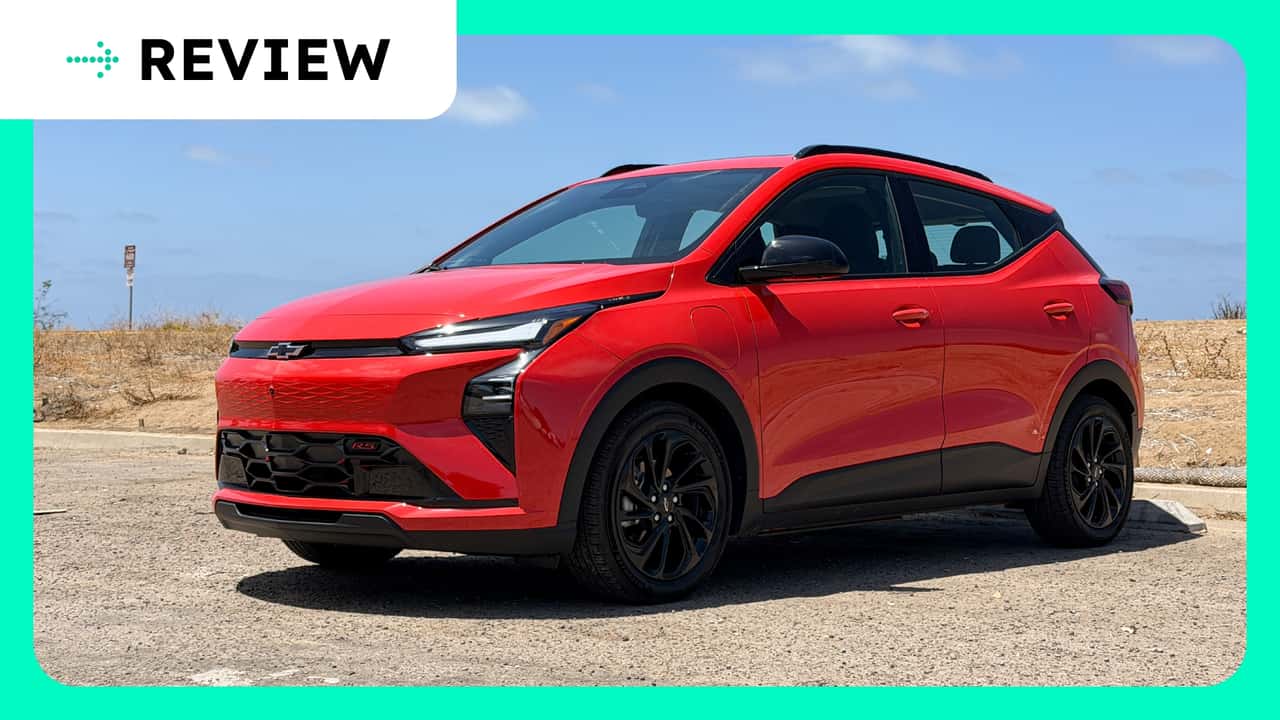
The question of whether American consumers genuinely desire affordable electric vehicles (EVs) was explored through a hands-on test drive of the least expensive EV currently on the market. The author, an automotive journalist, aimed to uncover the underlying reasons behind the limited adoption of budget-friendly EVs in the United States, despite their attractive price points. The test drive focused on a specific vehicle, identified as the cheapest EV available, to provide a concrete example for analysis. The findings suggest that while the car itself is considered good and reasonably priced, there are significant factors preventing widespread consumer adoption.
This investigation delves into the broader market dynamics and consumer psychology that influence EV purchasing decisions. The analysis considers that the automotive industry is undergoing a significant transition towards electrification, with many manufacturers introducing a range of EV models. However, the market has largely been dominated by premium and mid-range offerings, leaving a gap in the truly affordable segment. The journalist's experience with the cheapest EV aims to shed light on whether this gap is due to a lack of consumer interest or other market-related barriers. The article implies that the perception and reality of affordable EVs may not align with consumer expectations or practical considerations.
Further examination of the automotive landscape reveals that the success of any vehicle, particularly in a nascent market like affordable EVs, depends on a multitude of factors beyond initial cost. These can include charging infrastructure availability, range anxiety, perceived reliability, resale value, and the overall driving experience. The journalist's drive likely assessed these elements in the context of the specific budget EV. The article posits that the hesitation to buy cheaper EVs might stem from a combination of these practical concerns and a potential perception that lower-cost models compromise on essential features or long-term value. The exploration seeks to provide a nuanced understanding of the challenges facing the mass adoption of affordable electric mobility in the American context.
The automotive industry has seen a significant shift towards electric vehicles, driven by environmental concerns, government incentives, and technological advancements. Major automakers like General Motors (GM) and Ford have committed billions to developing and producing a wide array of EVs, from trucks to luxury sedans. However, the current EV market in the U.S. is often characterized by higher price tags, with many popular models exceeding the average car purchase price. This has created a segment of the market where truly affordable EVs, those priced comparably to gasoline-powered economy cars, are scarce. The journalist's drive into this segment aims to critically evaluate whether the existing affordable options meet the needs and expectations of the average American car buyer, or if perceived shortcomings in areas like range, charging speed, or interior amenities deter potential customers. The article suggests that while the vehicle tested might be a competent and cost-effective option on paper, its real-world appeal is hampered by broader market perceptions and practical limitations that have yet to be fully addressed for the budget-conscious consumer.
Original source — read the full reporting at the publisher:
Read on InsideEVsGet the weekly AI digest
AI news + new model releases, weekly. Drafted by our agents, reviewed by humans.