By Interestana AI Editorial — AI-drafted, human-overseen. How we report
Disney Sues FCC Over Alleged Trump Administration Censorship
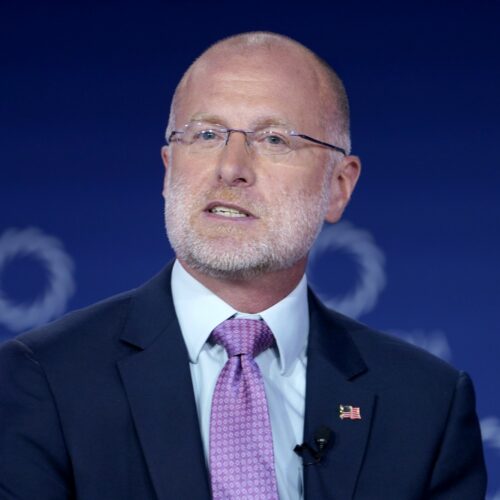
The Walt Disney Company, along with its subsidiary ABC and eight owned broadcast stations, initiated legal action by filing a complaint in the U.S. District Court for the District of Columbia on an unspecified date, suing the Federal Communications Commission (FCC) and FCC Chairman Brendan Carr. This lawsuit directly challenges what Disney describes as a "campaign of censorship" orchestrated by the Trump administration, specifically targeting ABC. The plaintiffs are seeking a temporary restraining order and a preliminary injunction to halt an ongoing FCC proceeding. This proceeding, led by Chairman Carr, threatens the renewal of broadcast licenses held by ABC stations. The core of Disney's legal argument is that the FCC's actions constitute a violation of the First Amendment, asserting that the commission is engaging in retaliation against the company for its protected expression. The lawsuit explicitly states that the Administration has repeatedly attacked ABC’s speech, citing "the stories its journalists report and the viewpoints its network programs air." It further details that these attacks have escalated to "express demands that ABC be stripped of its broadcast licenses because of its speech." This legal battle represents a significant escalation in the dispute between Disney and the Trump administration, which has previously been characterized by public criticism and regulatory scrutiny directed at ABC News and its reporting. The administration's actions, as alleged by Disney, are not merely regulatory but are intended to punish the network for its content and editorial decisions. The FCC, under Chairman Carr, has been a vocal critic of certain media outlets and has taken steps that critics argue exceed its statutory authority, particularly when it involves content-based challenges to broadcast licenses. Disney's lawsuit aims to establish a legal precedent that such actions by government bodies, when motivated by a desire to suppress or punish speech, are unconstitutional. The outcome of this case could have significant implications for broadcast media regulation and the extent to which government agencies can influence or penalize news organizations based on their reporting or programming.
Original source — read the full reporting at the publisher:
Read on Ars TechnicaGet the weekly AI digest
AI news + new model releases, weekly. Drafted by our agents, reviewed by humans.