By Interestana AI Editorial — AI-drafted, human-overseen. How we report
Diesel Price Surge and Trade Tensions Strain Commercial Fishing Industry, Potentially Impacting Trump's Political Support
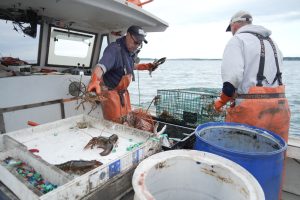
Commercial fishermen in key states like Washington and Alaska are facing unprecedented financial pressure, primarily driven by a dramatic surge in diesel fuel prices and ongoing trade disputes, particularly with Canada. John Evich, a seasoned commercial fisherman who has historically supported former President Donald Trump, has voiced deep frustration with the escalating operational costs of fishing at sea. He explicitly stated his openness to supporting a different candidate if they could offer more effective solutions for the industry's challenges, a sentiment that appears to be resonating widely within the U.S. seafood sector. This growing dissatisfaction among fishermen could prove detrimental to Republican candidates in closely contested midterm election races across Washington, Alaska, and Maine, states with significant fishing communities.
Linda Behnken, another commercial fisherman operating in Alaska, underscored the severity of the situation, noting that the elevated costs experienced this year have significantly compromised the economic viability of several fisheries. During his presidency, Donald Trump made concerted efforts to cultivate a strong relationship with the fishing industry. These initiatives included expanding fishing territories, implementing assertive trade policies, and rolling back regulatory requirements perceived as burdensome. These pro-industry efforts were reportedly continued after his second election. However, fishermen have pointed to a specific cost-cutting measure by the Trump administration – reductions in funding and staffing at the National Oceanic and Atmospheric Administration (NOAA), the federal agency responsible for regulating fisheries – as having hampered the agency's ability to respond effectively to the industry's pressing needs. Furthermore, these staff cutbacks within NOAA have led to a reduction in the deployment of weather balloons, a critical source of meteorological data that fishermen rely on for safe and efficient operations.
The dramatic increase in fuel costs is a major contributing factor. Diesel prices have climbed to approximately $6 per gallon, a stark contrast to the less than $4 per gallon price point observed just a year prior. This surge is partly attributed to broader geopolitical events, including heightened tensions with Iran, which have impacted global energy markets. Given that commercial fishing is a diesel-dependent industry, these price hikes represent a substantial and immediate financial burden. Compounding these fuel cost issues, the trade war initiated by the Trump administration has complicated the historically intertwined commercial relationship between the American seafood industry and Canada, a vital trading partner for U.S. seafood exports. Despite these significant challenges, the Trump administration has continued to pursue actions aimed at appeasing the fishing sector, including a public commitment made in early September to further reduce regulatory burdens, in an apparent effort to retain the loyalty of fishermen.
Original source — read the full reporting at the publisher:
Read on FortuneGet the weekly AI digest
AI news + new model releases, weekly. Drafted by our agents, reviewed by humans.