By Interestana AI Editorial — AI-drafted, human-overseen. How we report
Florida Counties Declare Dengue Fever Emergencies
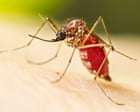
Multiple Florida counties have declared a state of local emergency in response to an increasing number of dengue fever infections, a mosquito-borne illness typically prevalent outside the United States. The declarations highlight a growing public health concern as the number of reported cases rises within the state. Hillsborough County, Florida, was among the first to issue such a declaration on September 24, 2026. This action was taken after health authorities in the county confirmed 134 cases of dengue fever. Officials in Hillsborough County stated that the escalating spread of the disease constitutes "an immediate and widespread threat to the public health, safety, and welfare of the residents and visitors of Hillsborough county." This declaration empowers local authorities to mobilize resources and implement measures to control the outbreak and protect the population. The Centers for Disease Control and Prevention (CDC) has reported a total of 392 dengue fever cases across Florida for the current year. This statewide figure underscores the broader challenge faced by the state in managing the disease. The increase in dengue cases in Florida is particularly concerning given that the illness is not endemic to the continental United States, suggesting a potential for wider transmission if not effectively managed. Dengue fever is transmitted through the bite of infected Aedes mosquitoes, which are common in tropical and subtropical regions. Symptoms of dengue fever can range from mild to severe and include high fever, severe headache, pain behind the eyes, muscle and joint pain, rash, and mild bleeding. In severe cases, dengue can lead to dengue hemorrhagic fever and dengue shock syndrome, which can be fatal. The declarations of emergency by Florida counties signal a proactive approach to combating the outbreak. These measures often involve increased mosquito surveillance and control efforts, public awareness campaigns about preventing mosquito bites, and enhanced diagnostic and treatment capabilities within healthcare facilities. The involvement of county and state health departments, in coordination with federal agencies like the CDC, is crucial for a comprehensive response. The situation in Florida reflects a global trend of increasing dengue fever incidence, which has been linked to factors such as climate change, urbanization, and increased international travel. The proactive measures taken by Florida counties aim to mitigate the immediate health risks and prevent further spread of the virus, safeguarding both residents and the significant number of tourists who visit the state. The effectiveness of these emergency declarations will depend on the swift implementation of control strategies and sustained public cooperation in preventing mosquito breeding and bites.
Original source — read the full reporting at the publisher:
Read on The Guardian WorldGet the weekly AI digest
AI news + new model releases, weekly. Drafted by our agents, reviewed by humans.