By Interestana AI Editorial — AI-drafted, human-overseen. How we report
Democrats Criticize NIH-DOD Research Pact
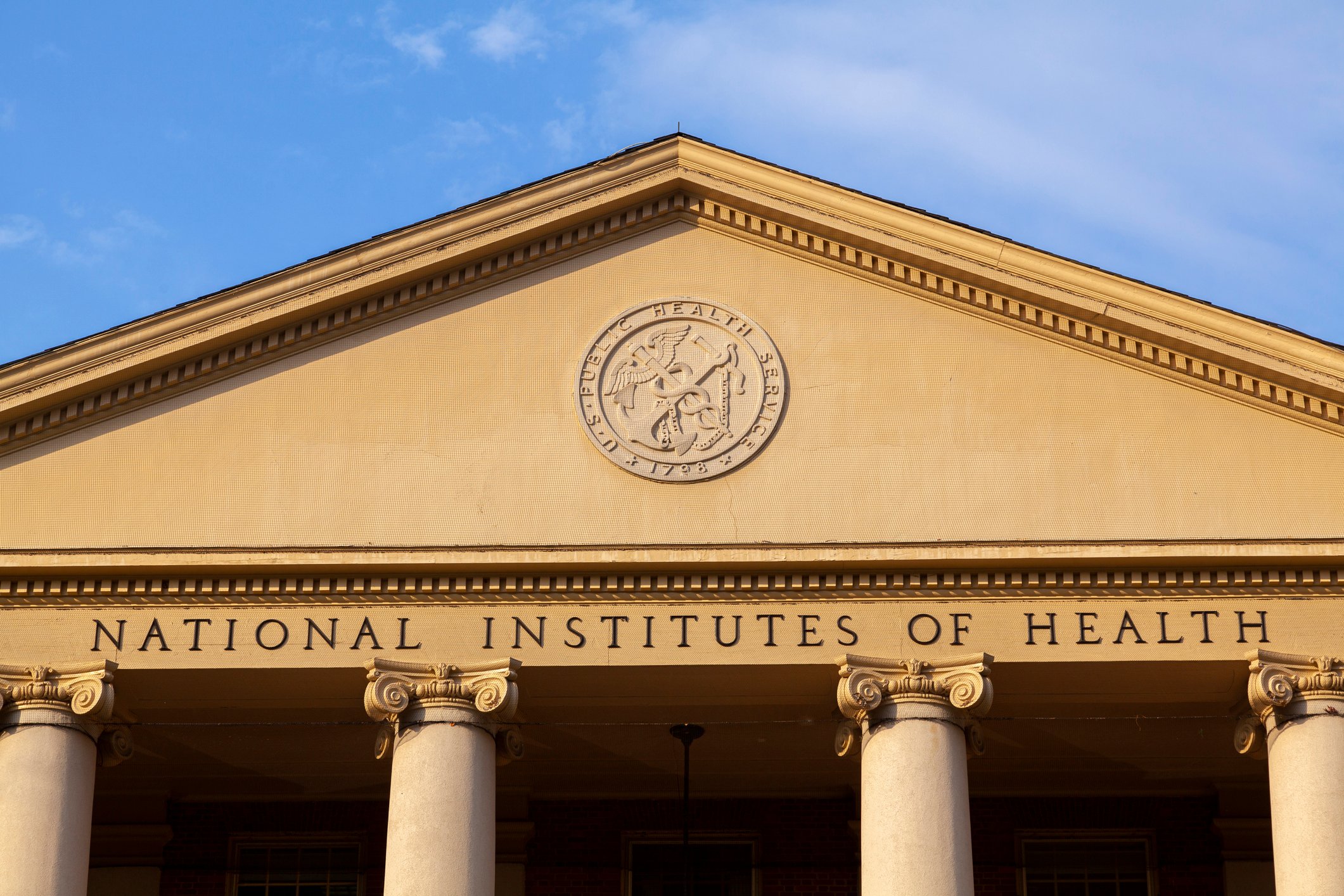
Congressional Democrats have expressed significant opposition to a recently established research agreement between the National Institutes of Health (NIH) and the Department of Defense (DOD). The bipartisan criticism centers on concerns regarding potential conflicts of interest, the transparency of the research process, and the allocation of taxpayer funds. The agreement, finalized in late August 2026, aims to foster collaboration between the two federal agencies on critical scientific and technological advancements, particularly in areas relevant to national security and public health. However, lawmakers on Capitol Hill have raised alarms about the specific objectives and oversight mechanisms of this partnership. A statement released on September 7, 2026, by a group of Democratic representatives highlighted worries that the DOD's involvement could unduly influence the direction of NIH-funded research, potentially prioritizing military applications over purely scientific inquiry or public health needs. They pointed to the historical independence and scientific integrity of the NIH as paramount and expressed apprehension that this new pact might compromise those principles. Specific details regarding the research areas covered by the agreement have been scarce, further fueling the Democrats' calls for greater transparency. Members of Congress are demanding a comprehensive briefing from both agencies to understand the scope, funding mechanisms, and expected outcomes of the collaborative research. The lack of public disclosure surrounding the agreement has led to speculation about its potential implications for biomedical research and its ethical considerations. Sources indicate that the agreement was developed over several months, with initial discussions taking place in early 2026. The NIH, a primary agency of the U.S. Department of Health and Human Services, is responsible for conducting and supporting medical research to improve health and save lives. The DOD, on the other hand, focuses on maintaining the military strength of the United States. The convergence of these two distinct mandates in a formal research agreement has raised questions about how potential conflicts will be managed and resolved. Critics are particularly concerned about the potential for dual-use research, where scientific discoveries could have both beneficial civilian applications and harmful military uses. They are urging for robust ethical review processes and clear guidelines to prevent any misuse of research findings. The lawmakers have indicated that they will continue to scrutinize the implementation of this agreement and may consider legislative actions if their concerns are not adequately addressed. The NIH and DOD have yet to issue a detailed public response to the criticisms, though internal discussions are reportedly underway to prepare a joint statement addressing the lawmakers' concerns. This development underscores the ongoing debate surrounding the intersection of scientific research, national security, and governmental oversight.
Original source — read the full reporting at the publisher:
Read on Inside Higher EdGet the weekly AI digest
AI news + new model releases, weekly. Drafted by our agents, reviewed by humans.