By Interestana AI Editorial — AI-drafted, human-overseen. How we report
Defcon Badges Feature Open Source Security Chip
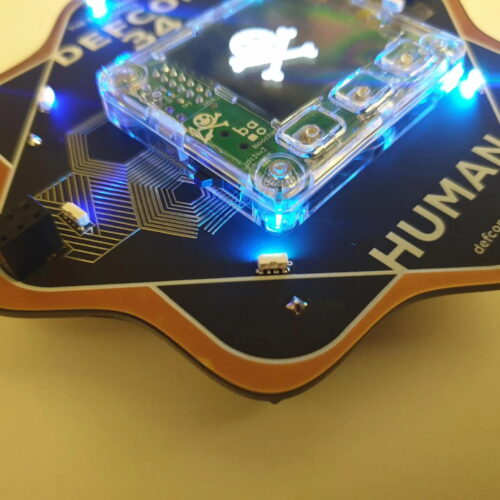
The annual Defcon hacker conference, known for its intricate and technologically advanced attendee badges, has unveiled its 2024 design, which features an innovative open-source security chip. This year's badges, created by renowned hardware hacker Andrew "bunnie" Huang, shift the focus from external design complexity to the internal hardware, specifically an open-source chip engineered to advance security, transparency, and trustworthiness in computing. Huang, a prominent figure in the hardware hacking community, has a history of developing innovative electronic devices and contributing to open-source hardware projects. His involvement in designing the Defcon badge signifies a deliberate effort to embed cutting-edge security technology directly into a widely distributed piece of hardware.
The Defcon badges have historically served as more than just identification; they are often elaborate electronic devices containing puzzles, cryptographic challenges, and hidden features, pushing the boundaries of what a conference badge can be. Previous iterations have showcased complex mechanical and digital engineering, challenging attendees and demonstrating new technological possibilities. The decision to integrate a custom-designed, open-source security chip represents a significant evolution, moving beyond mere entertainment or puzzle-solving to address fundamental issues in digital security. The open-source nature of the chip is particularly noteworthy, as it allows for public scrutiny and verification of its design and functionality, aligning with the hacker ethos of transparency and collaborative improvement.
Andrew "bunnie" Huang's design aims to provide a secure and transparent foundation for computing. While specific technical details of the chip's architecture and capabilities are not fully elaborated in the initial announcement, its stated goals of enhancing security, transparency, and trustworthiness suggest a focus on areas such as secure boot processes, hardware-level encryption, or tamper-resistant operations. The integration of such a chip into thousands of Defcon badges provides a unique opportunity for widespread testing and real-world application of novel security principles. This initiative could potentially influence future hardware development and security standards, particularly within communities that prioritize open access and verifiable security measures. The project's success could pave the way for more secure and transparent computing environments in the future, starting with a tangible and accessible platform for exploration by a highly technical audience.
Original source — read the full reporting at the publisher:
Read on Ars TechnicaGet the weekly AI digest
AI news + new model releases, weekly. Drafted by our agents, reviewed by humans.