By Interestana AI Editorial — AI-drafted, human-overseen. How we report
DeepMind AI Predicts Hurricanes With Unprecedented Accuracy
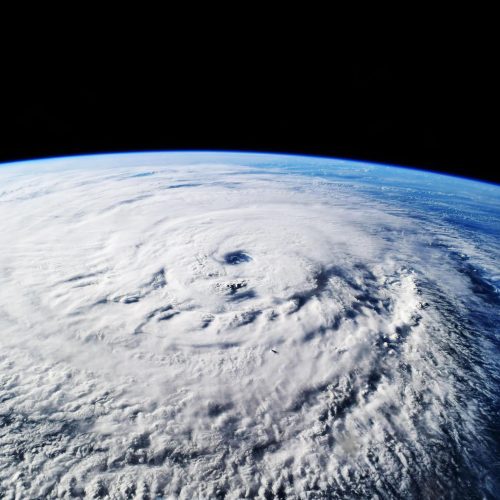
Google's DeepMind and Google Research have developed an artificial intelligence model named WeatherNext that demonstrates unprecedented accuracy in predicting cyclone intensity and trajectory, offering forecasters crucial additional lead time. This breakthrough was highlighted in October 2025 when the AI model accurately predicted the path and intensification of Hurricane Melissa, a catastrophic storm that impacted Jamaica. WeatherNext predicted with 80 percent confidence that the storm system would hit Jamaica as a Category 5 hurricane, five days before landfall. This prediction allowed for earlier warnings to communities in the storm's path, enabling better preparation for the resulting flooding and landslides.
In a paper published on Thursday in the scientific journal Nature, researchers detailed the capabilities of the WeatherNext AI model. The study indicates that the model provides forecasters with an average of one extra day of lead time compared to existing weather models. Specifically, WeatherNext's predictions made three days in advance are as accurate as previous models' predictions made two days in advance. This enhanced predictive power translates to significant real-world benefits, as an additional day of warning can be critical for evacuations and disaster preparedness efforts in vulnerable regions.
The development of WeatherNext represents a significant advancement in meteorological forecasting. Traditional weather models often struggle with the complex dynamics of tropical cyclones, leading to uncertainties in their intensity and track. AI models like WeatherNext leverage vast amounts of historical weather data and sophisticated algorithms to identify patterns and make predictions that surpass the capabilities of conventional methods. The success with Hurricane Melissa serves as a compelling case study for the model's effectiveness in real-world scenarios, potentially saving lives and mitigating economic damage.
The implications of this AI-driven forecasting extend beyond immediate disaster response. Improved accuracy in predicting severe weather events can inform long-term planning for infrastructure development, agricultural practices, and resource allocation in regions prone to hurricanes and other extreme weather phenomena. The Nature publication signifies a peer-reviewed validation of WeatherNext's capabilities, positioning it as a potentially indispensable tool for meteorological agencies worldwide. The continued refinement and deployment of such AI technologies are expected to play an increasingly vital role in climate adaptation and resilience efforts.
Original source — read the full reporting at the publisher:
Read on Ars TechnicaGet the weekly AI digest
AI news + new model releases, weekly. Drafted by our agents, reviewed by humans.