By Interestana AI Editorial — AI-drafted, human-overseen. How we report
Trump Administration Warned Ford on Chinese Battery Deal
Former Trump administration officials have voiced strong opposition to Ford Motor Company's proposed battery manufacturing deal with a Chinese firm, citing significant national security and economic risks. Transportation Secretary Sean Duffy sent a letter to Ford CEO Jim Farley on Tuesday, urging the automaker to reconsider its partnership with CATL, a Chinese battery giant.
The core of the concern revolves around the potential transfer of sensitive technology and intellectual property to China, as well as the broader implications for American economic competitiveness and national security. Officials from the Trump era, including former National Security Advisor Robert O'Brien and former Secretary of State Mike Pompeo, have been particularly vocal in their criticism. They argue that such collaborations with Chinese entities, especially in critical industries like electric vehicle battery production, could undermine U.S. technological leadership and create dependencies that are detrimental to national interests.
These concerns are amplified by the broader geopolitical tensions between the United States and China. The Trump administration had previously implemented policies aimed at curbing China's influence in strategic sectors, and the current pushback from former officials suggests a continued alignment with those objectives. The officials emphasize that while they support American innovation and the transition to electric vehicles, they believe it should not come at the expense of national security or by bolstering a geopolitical rival.
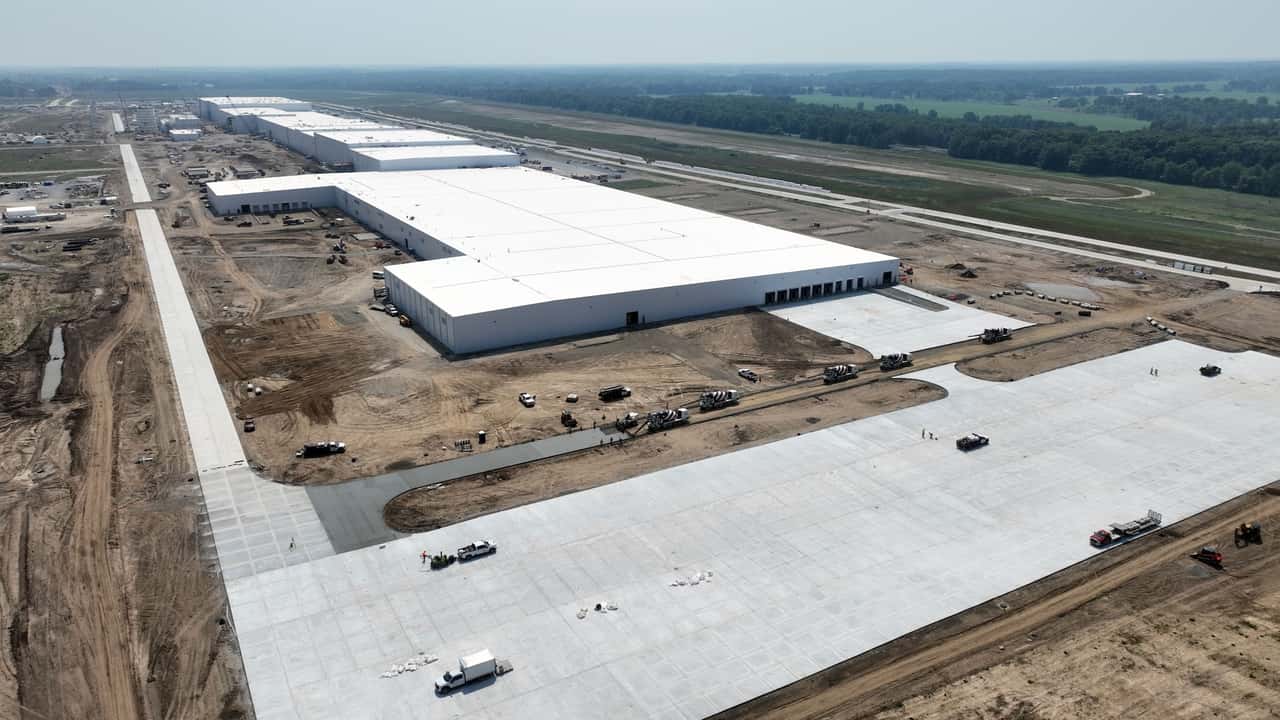
Ford's proposed deal involves a significant investment in battery production facilities within the United States, with CATL's technology and expertise playing a crucial role. The automaker has stated its intention to utilize CATL's lithium iron phosphate (LFP) battery technology, which is known for its cost-effectiveness and durability. Ford has also indicated that the partnership would involve licensing agreements rather than a direct joint venture that would give CATL ownership stakes in the U.S. facilities. However, critics remain unconvinced that these safeguards are sufficient to mitigate the perceived risks. The debate highlights the complex balancing act faced by American companies operating in a globalized economy, particularly when navigating the intersection of technological advancement, international relations, and national security imperatives.
Original source — read the full reporting at the publisher:
Read on InsideEVsGet the weekly AI digest
AI news + new model releases, weekly. Drafted by our agents, reviewed by humans.