By Interestana AI Editorial — AI-drafted, human-overseen. How we report
Fraunhofer Researchers Develop Deepfake Video Call Warning System
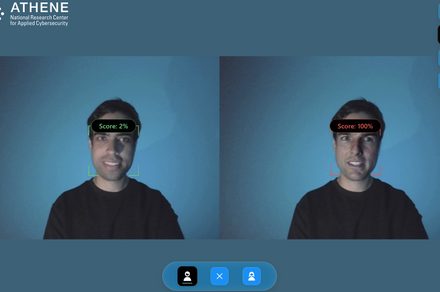
Researchers at the Fraunhofer Institute for Computer Graphics Research (Fraunhofer IGD) in Germany are developing a real-time warning system designed to detect deepfake audio and video impersonations during video conferencing. This technology aims to combat a growing threat where malicious actors use artificial intelligence to generate realistic fake video and audio of individuals, often impersonating authority figures like bosses or colleagues. The primary objective is to prevent employees from being coerced into making costly financial decisions or divulging sensitive information under false pretenses. The system works by analyzing various subtle cues in the video and audio streams that are characteristic of AI-generated content, which are often imperceptible to the human eye and ear. These cues can include inconsistencies in facial movements, unnatural speech patterns, or artifacts in the video rendering. By flagging these anomalies in real-time, the system provides an immediate alert to the user, allowing them to disengage from the potentially fraudulent interaction. The research is driven by the increasing sophistication of deepfake technology and its potential for misuse in corporate environments. Scammers have been observed creating scenarios where an AI-generated "boss" might urgently instruct an employee to transfer funds or purchase gift cards, exploiting the trust and hierarchical structure within organizations. The Fraunhofer IGD's initiative represents a proactive approach to cybersecurity, focusing on the endpoint user experience within video communication platforms. While specific technical details of the detection algorithms remain proprietary, the system is expected to integrate with popular video conferencing software. The development addresses a critical gap in current security measures, which often focus on network-level threats rather than the integrity of the communication content itself. The researchers are working to ensure the system is both accurate and efficient, capable of processing video and audio streams without causing significant lag or disruption to the call. The ultimate goal is to provide businesses and individuals with a reliable tool to safeguard against sophisticated social engineering attacks facilitated by AI. The increasing prevalence of remote work and reliance on virtual meetings has amplified the vulnerability to such threats, making the development of countermeasures like this warning system a pressing concern for digital security. The Fraunhofer Institute, a leading applied research organization in Germany, has a history of developing innovative technologies across various fields, including computer graphics and human-computer interaction, making them well-positioned to tackle this complex challenge. The system's success could significantly reduce financial losses and reputational damage for companies targeted by these deepfake-driven scams.
Original source — read the full reporting at the publisher:
Read on Digital TrendsGet the weekly AI digest
AI news + new model releases, weekly. Drafted by our agents, reviewed by humans.