By Interestana AI Editorial — AI-drafted, human-overseen. How we report
University Data Governance Explores 'Data Empire' Concept
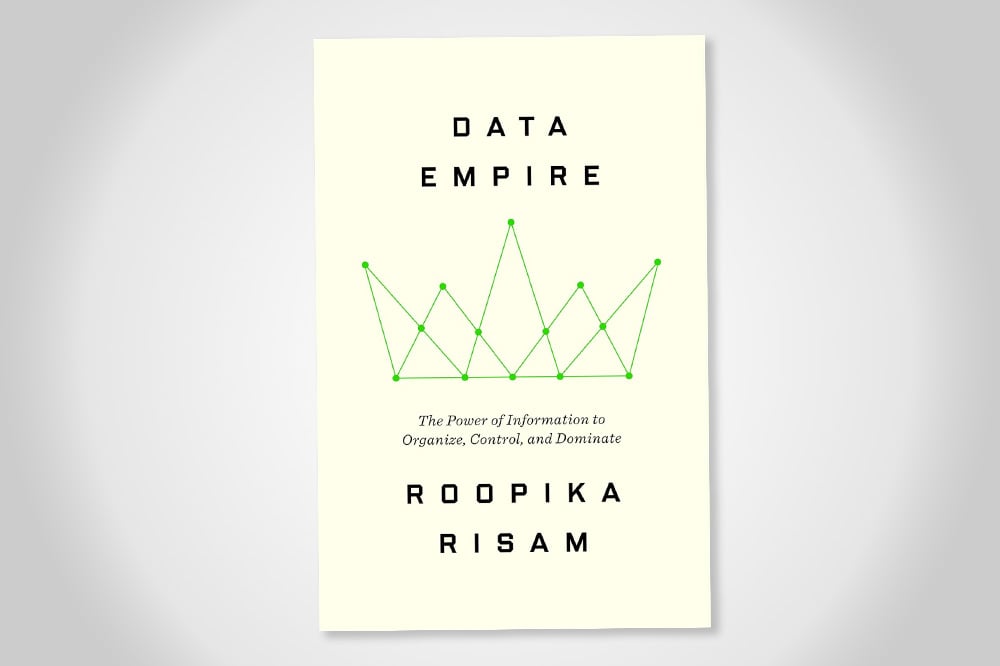
University data governance and decision-making processes are being examined through the conceptual framework of a 'data empire,' as discussed in a piece by Joshua Kim. This perspective frames the accumulation and control of data within an institution as analogous to the expansion and consolidation of power by an empire. The article suggests that understanding these power dynamics is crucial for effective data governance, particularly as universities increasingly rely on data to inform strategic choices and operational improvements.
The 'data empire' concept implies that entities within a university, such as departments, research labs, or administrative units, may seek to control data resources to enhance their influence and autonomy. This can lead to data silos, competition for data access, and potential conflicts over data ownership and usage policies. Kim's analysis encourages a critical look at how data is collected, stored, managed, and utilized, highlighting that these actions are not purely technical but are deeply intertwined with institutional politics and power structures.
In the context of higher education, data-driven decision-making has become a significant trend. Universities are leveraging data analytics to optimize student recruitment, retention, and success; to assess research impact; to manage financial resources; and to improve campus operations. However, the effectiveness and equity of these decisions can be compromised if the underlying data governance is not robust and transparent. The 'data empire' lens prompts questions about who benefits from data collection, who has the authority to interpret and act upon data, and whether data is being used to serve the broader institutional mission or the specific interests of powerful factions.
Furthermore, the article implies that the rise of artificial intelligence (AI) within universities exacerbates these data governance challenges. AI systems often require vast amounts of data to train and operate, increasing the incentive for various units to hoard or control data. This can create a complex landscape where data governance policies must navigate not only traditional power struggles but also the new capabilities and demands introduced by AI technologies. A thoughtful approach to data governance, informed by an understanding of these power dynamics, is therefore essential for universities aiming to harness data responsibly and ethically for the advancement of their educational and research missions.
Original source — read the full reporting at the publisher:
Read on Inside Higher EdGet the weekly AI digest
AI news + new model releases, weekly. Drafted by our agents, reviewed by humans.