By Interestana AI Editorial — AI-drafted, human-overseen. How we report
Tesla Autopilot Active in Fatal Alabama Crash
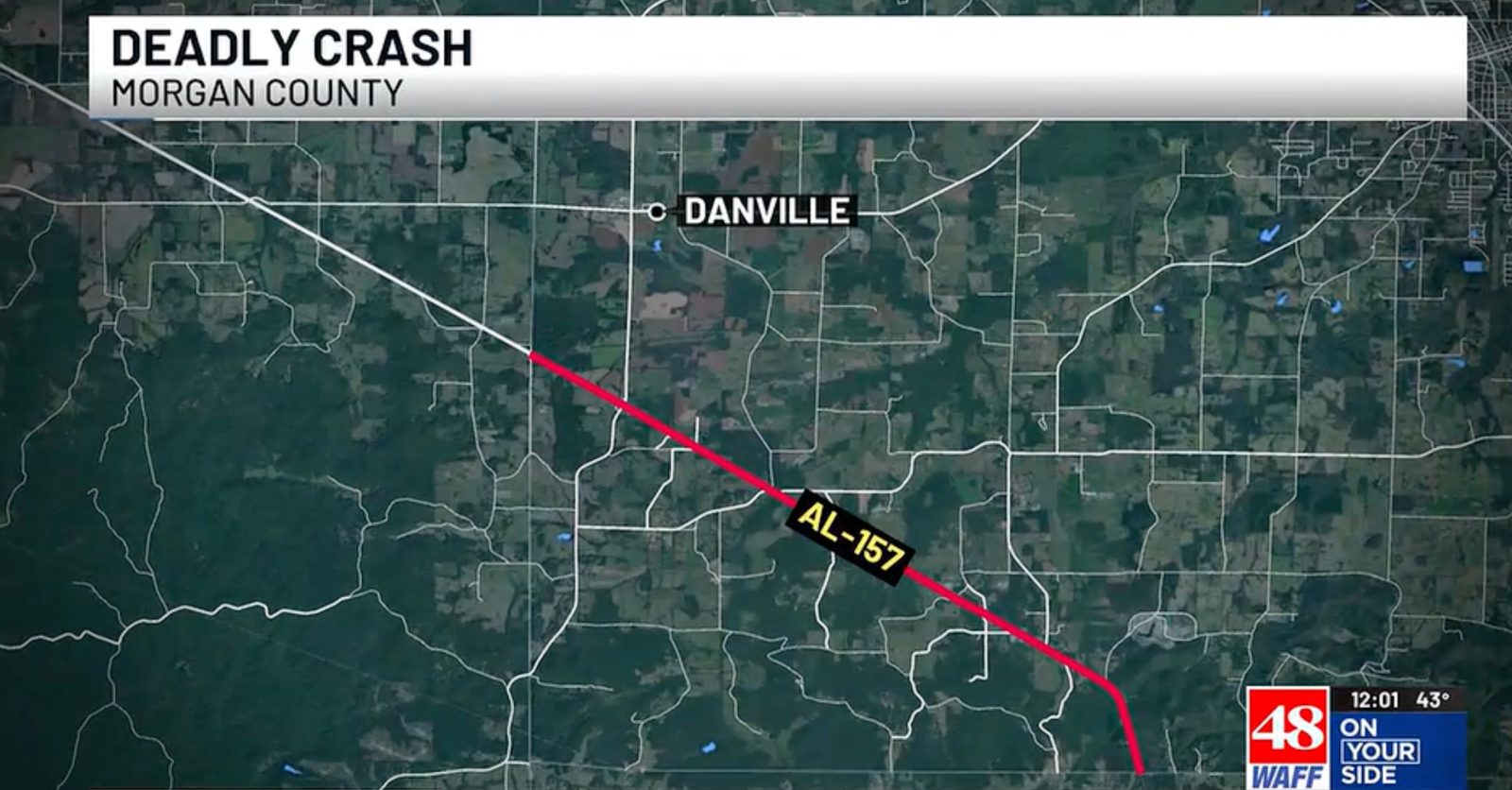
Tesla's Autopilot driver-assist system was active during a fatal 2021 crash in Alabama that resulted in the death of 29-year-old Kayleigh Page and the endangerment of her 7-month-old daughter. The incident involved a 2021 Tesla Model Y that veered off an Alabama highway, struck two trees, and subsequently caught fire. A passerby heroically rescued the infant from the burning vehicle. State troopers initially classified the event as a single-vehicle accident, without noting the engagement of Tesla's driver-assist technology. This finding emerges from an ongoing investigation by Electrek, which cross-references reported crashes with redacted data submitted by Tesla to the National Highway Traffic Safety Administration (NHTSA). The investigation aims to provide a clearer picture of the role advanced driver-assistance systems (ADAS) play in vehicle accidents.
This specific incident, occurring in 2021, highlights a recurring concern regarding the operational status of Tesla's Autopilot and Full Self-Driving (FSD) capabilities during crashes. While Tesla's data logs are often submitted to NHTSA in a redacted format, Electrek's analysis seeks to de-redact and interpret this information to understand the circumstances surrounding accidents. The engagement of Autopilot in this fatal crash suggests that the system was active at the time the vehicle left the roadway, a detail that was not explicitly stated in the initial police report. The implications of this data are significant for understanding driver reliance on ADAS and the potential for system limitations to contribute to accidents.
The broader context of this investigation involves NHTSA's ongoing scrutiny of Tesla's ADAS, particularly following a series of crashes involving emergency vehicles and other incidents where Autopilot or FSD were suspected to be in use. NHTSA has previously issued defect investigations into Tesla's Autopilot system, examining its design, capabilities, and the manner in which it is marketed to consumers. The agency is concerned about how Tesla's system names and marketing may lead drivers to overestimate its capabilities, potentially resulting in misuse or overreliance. The data from this Alabama crash could provide further evidence for NHTSA's ongoing assessments and inform future regulatory actions concerning ADAS safety standards and manufacturer responsibilities.
Electrek's investigative approach involves obtaining crash reports and comparing them with Tesla's submitted data, which is often anonymized or partially obscured. By meticulously analyzing these datasets, the publication aims to uncover discrepancies or crucial details that might otherwise remain hidden. The goal is to provide a more transparent and comprehensive understanding of vehicle behavior in accident scenarios, particularly when advanced driver-assistance systems are engaged. The findings in the Alabama case underscore the critical need for accurate reporting and thorough investigation of all contributing factors in vehicle accidents, especially those involving technologies designed to assist or automate driving functions.
Original source — read the full reporting at the publisher:
Read on ElectrekGet the weekly AI digest
AI news + new model releases, weekly. Drafted by our agents, reviewed by humans.