By Interestana AI Editorial — AI-drafted, human-overseen. How we report
Danube's Record Low Levels Force Shutdown of Hungary's Only Nuclear Plant
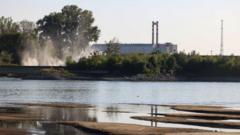
Hungary's sole nuclear power facility, the Paks Nuclear Power Plant, has been compelled to halt its operations due to critically low water levels in the Danube River, a vital resource for its cooling systems. Situated near the town of Paks, the plant's functionality is intrinsically linked to the Danube's flow, which has receded to unprecedented lows. This severe reduction in water levels is a direct consequence of prolonged and intense heatwaves coupled with insufficient rainfall that have afflicted Central Europe for an extended period. The ramifications of this environmental crisis are not confined to Hungary; neighboring nations such as Romania, Bulgaria, and Serbia are also confronting the severe effects of widespread drought, which is significantly impacting their water resources and essential infrastructure.
The Paks plant is a cornerstone of Hungary's energy independence, housing four VVER-440 reactors. These reactors collectively contribute approximately 50% of the nation's total electricity generation, underscoring the critical role the plant plays in meeting domestic energy demands. The temporary cessation of its operations consequently raises significant concerns regarding potential energy shortages and an increased reliance on alternative energy sources. These alternatives may prove to be more costly and potentially less environmentally sustainable in the short to medium term. MVM Hungarian Electricity Ltd., the state-owned operator of the Paks plant, has emphasized that the decision to suspend operations was a precautionary measure taken to safeguard the plant's operational integrity and ensure the highest safety standards are maintained. Operations will remain suspended until the Danube's water levels rise sufficiently to guarantee the effective and safe functioning of the plant's cooling mechanisms.
This incident serves as a stark illustration of the increasing vulnerability of critical national infrastructure to the impacts of climate change, particularly to extreme weather phenomena such as prolonged and severe droughts. The Danube River is far more than just a source of cooling water; it is a crucial artery for transportation, agriculture, and energy production across numerous European countries. Its diminished flow not only impedes power generation but also severely disrupts established shipping routes, creating substantial logistical challenges for industries that depend on riverine transport for the movement of goods and raw materials. The prevailing meteorological forecasts suggest that these arid conditions are likely to persist, posing an ongoing and substantial threat to various water-dependent economic sectors.
While the immediate and most palpable impact is on Hungary's domestic energy supply, the broader implications extend to regional energy security and the potential economic repercussions stemming from reduced industrial output and increased energy costs. This situation unequivocally highlights the urgent necessity for the development and implementation of adaptive strategies and robust infrastructure resilience measures in the face of escalating climate challenges. Further updates regarding the river levels and the projected timeline for the potential restart of the Paks plant are anticipated as meteorological conditions evolve and influence the Danube's water flow.
Original source — read the full reporting at the publisher:
Read on BBC World NewsGet the weekly AI digest
AI news + new model releases, weekly. Drafted by our agents, reviewed by humans.