By Interestana AI Editorial — AI-drafted, human-overseen. How we report
Army Secretary Resigns After Briefing Trump
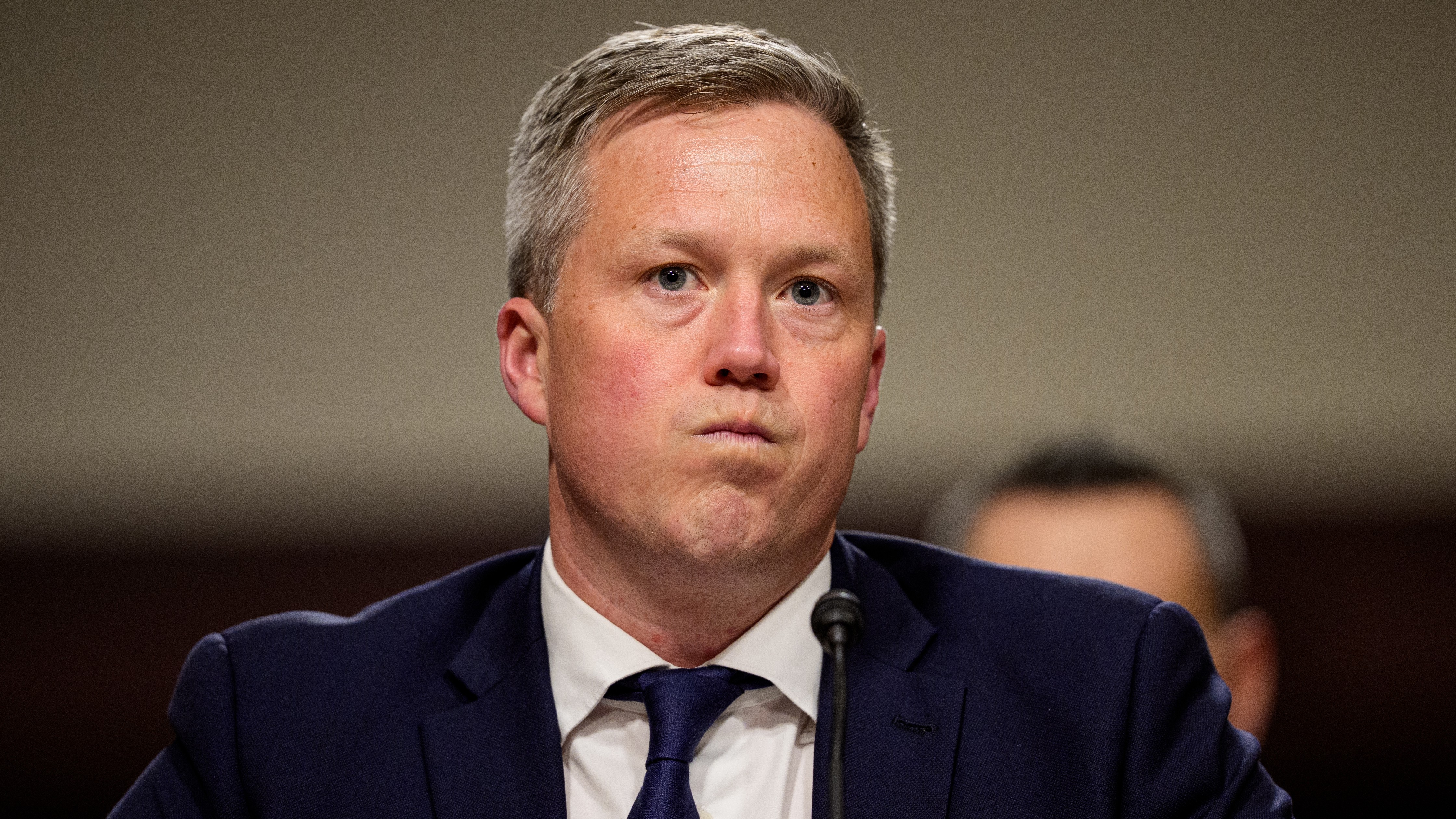
Army Secretary Ryan McCarthy resigned from his position on July 24, 2020, following a meeting with President Donald Trump where he reportedly discussed issues concerning the Army's readiness and his professional disagreements with Fox News host Pete Hegseth. McCarthy had served as the 24th Secretary of the Army since August 1, 2019, taking over from interim Secretary Patrick Murphy. His tenure was marked by efforts to modernize the Army and address its strategic challenges. The resignation came as a surprise to many, particularly given the ongoing global security concerns and the Army's critical role in national defense.
Sources close to the situation indicated that McCarthy used his final briefing with President Trump to highlight significant concerns about the Army's preparedness and to address the perceived interference or undue influence from individuals outside of established military and civilian leadership structures. Pete Hegseth, a prominent conservative media personality and a vocal critic of certain defense policies, had reportedly been a point of contention for McCarthy. Hegseth's public commentary and private interactions were seen by some within the Pentagon as undermining the chain of command and the Secretary's authority. McCarthy's decision to raise these specific issues directly with the President underscores the gravity with which he viewed the situation and its potential impact on the Army's operational effectiveness and morale.
The Army, as a branch of the U.S. Armed Forces, is responsible for land-based military operations. Its readiness is a critical component of national security, encompassing personnel training, equipment maintenance, and strategic planning. Any perceived degradation in readiness can have significant implications for the nation's ability to respond to threats and maintain global stability. McCarthy's reported concerns would have been aimed at ensuring that the Army had the necessary resources and leadership support to fulfill its mission. The friction with Hegseth, as described, points to a broader challenge faced by military leaders in navigating the intersection of policy, public opinion, and media influence.
McCarthy's resignation leaves a vacancy at the helm of the Department of the Army, necessitating the appointment of a successor who will inherit the ongoing challenges of military modernization, budget allocation, and strategic adaptation. His departure, framed by the specific issues he reportedly raised with President Trump, suggests a complex interplay of internal Army matters and external pressures that ultimately led to his decision to step down. The implications of his briefing and subsequent resignation are likely to be analyzed within defense circles for their impact on leadership dynamics and policy implementation within the U.S. Army.
Original source — read the full reporting at the publisher:
Read on The AtlanticGet the weekly AI digest
AI news + new model releases, weekly. Drafted by our agents, reviewed by humans.