By Interestana AI Editorial — AI-drafted, human-overseen. How we report
Pogacar Dominates Tour de France Amidst Stringent Anti-Doping Measures
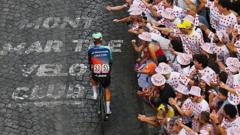
Tadej Pogacar delivered a dominant performance at the Tour de France, capturing the attention of fans with his exceptional cycling prowess. His victory underscores a period of apparent robustness for professional cycling, a sport that has historically grappled with doping controversies. The current era of the Tour de France is characterized by stringent anti-doping measures, which are crucial in maintaining the integrity and credibility of the competition. These protocols are designed to detect and deter the use of performance-enhancing substances, ensuring a level playing field for all athletes. The success of riders like Pogacar, achieved under these strict conditions, suggests a positive trajectory for the sport, where athletic achievement is increasingly attributed to dedication, training, and natural talent rather than illicit means. The visibility of such a compelling and clean performance at cycling's pinnacle event serves to inspire confidence among spectators and participants alike. The rigorous testing procedures involve multiple stages, including in-competition and out-of-competition testing, utilizing advanced analytical techniques to identify prohibited substances. Athletes are subject to biological passport monitoring, which tracks physiological markers over time to detect anomalies indicative of doping. This comprehensive approach aims to create a deterrent effect and ensure that victories are earned through legitimate means. The narrative of Pogacar's triumph is thus intertwined with the ongoing efforts to uphold the ethical standards of professional cycling. The sport's governing bodies, such as the Union Cycliste Internationale (UCI), and anti-doping agencies like the World Anti-Doping Agency (WADA), play a vital role in developing and enforcing these regulations. Their continued commitment to innovation in testing methodologies and intelligence gathering is essential for staying ahead of evolving doping practices. The positive reception of Pogacar's win by the cycling community and the broader public reflects a growing trust in the sport's anti-doping framework. This trust is fundamental for the continued growth and appeal of professional cycling, attracting new fans and sponsors. The narrative of clean sport is not only about catching dopers but also about celebrating and promoting athletes who achieve greatness through hard work and fair play. Pogacar's performance serves as a powerful testament to this ideal, reinforcing the message that dedication and talent are the true drivers of success in cycling. The stringent testing, while sometimes perceived as intrusive, is a necessary component of modern professional sports, safeguarding the health of athletes and the fairness of competition. The ongoing vigilance and commitment to these principles are vital for the long-term health and reputation of the Tour de France and professional cycling as a whole. The sport's ability to showcase such a high level of performance under scrutiny is a positive indicator for its future, suggesting a sustainable model for athletic excellence.
Original source — read the full reporting at the publisher:
Read on BBC SportGet the weekly AI digest
AI news + new model releases, weekly. Drafted by our agents, reviewed by humans.