By Interestana AI Editorial — AI-drafted, human-overseen. How we report
Freeloading Bear Returns to Altadena Crawlspace
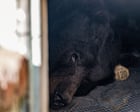
A 550-pound black bear, identified by wildlife officials as 'Yellow 2120', has once again taken up residence in a crawlspace in the Altadena neighborhood of Los Angeles. The bear was spotted on Minoru Drive on Monday, marking its return to the area after a period of absence. This particular bear gained notoriety in November 2025 when it was first discovered living under an Altadena home. Despite efforts to relocate it and drive it out of previous hiding spots, 'Yellow 2120' has demonstrated a persistent tendency to return to residential crawlspaces within the neighborhood. Wildlife authorities have been monitoring the bear's movements and behavior, aiming to manage its presence in populated areas while ensuring public safety and the animal's welfare. The bear's repeated appearances in crawlspaces highlight the ongoing challenges of human-wildlife coexistence in areas where urban development encroaches upon natural habitats. Altadena, situated in the foothills of the San Gabriel Mountains, is known for its proximity to natural areas that are home to various wildlife species, including black bears. The bear's ability to repeatedly find and occupy these sheltered spaces suggests an adaptation to the urban environment and a potential reliance on resources found near human residences. The specific circumstances of its discovery on Minoru Drive on Monday are part of an ongoing effort by animal control and wildlife agencies to safely deter the bear from residential areas. The bear's nickname, 'Yellow 2120', comes from a tag placed on it by wildlife officials, likely for tracking and identification purposes. This tagging allows researchers and wildlife managers to gather data on the bear's movements, health, and behavior patterns, which is crucial for developing effective management strategies. The recurring nature of these incidents underscores the complex relationship between urban expansion and wildlife, often leading to encounters that require careful intervention. The bear's size, estimated at 550 pounds, indicates it is a mature adult, capable of navigating its environment and finding suitable shelter. Its continued presence in crawlspaces suggests it may be seeking refuge from weather conditions or finding readily available food sources, even if inadvertently provided by residents. The situation prompts ongoing discussions about wildlife-proofing homes and properties in bear-prone areas, as well as the broader implications of habitat fragmentation and the need for responsible waste management to reduce attractants for bears and other wildlife. The bear's ability to evade capture or deterrence and return to similar locations presents a persistent challenge for local authorities tasked with managing urban wildlife.
Original source — read the full reporting at the publisher:
Read on The Guardian WorldGet the weekly AI digest
AI news + new model releases, weekly. Drafted by our agents, reviewed by humans.