By Interestana AI Editorial — AI-drafted, human-overseen. How we report
Artist Creates Sculptures for New York City Rats
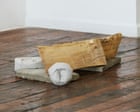
Artist Asad Raza has initiated a unique public art project in New York City, focusing on creating sculptures specifically designed for the city's rat population. This initiative, described by Raza as "public art for rats," involves the installation of over 20 distinct pieces across various locations identified as prime habitats for rodents. One such site, dubbed the "Hell Door," is located behind a seafood restaurant under the Manhattan Bridge, where Raza observed a significant congregation of rats. The project is executed with the assistance of a team of three installers, including fellow artists Devyn Gallindo, Kunning Huang, and Jared Packard. These installations are strategically placed in areas frequented by rats, such as near dumpsters and in dimly lit enclosures, aiming to engage with the rodent inhabitants of the urban environment. Raza views rats as "curious and circumspect creatures," suggesting an artistic intention to interact with and perhaps understand their behavior through these specially crafted environments. The project aims to reframe the perception of these often-maligned urban dwellers by creating art that caters to their specific needs and environments. The installations are not merely decorative but are intended to be functional within the rats' ecosystem, potentially providing new textures, structures, or points of interest within their daily routines. The choice of locations, such as the back of a seafood restaurant, highlights the artist's deliberate engagement with the urban landscape where rats are most prevalent. This artistic endeavor challenges conventional notions of public art, which typically targets human audiences, by extending its focus to non-human urban wildlife. The project underscores a growing interest in interspecies engagement within urban planning and artistic expression, prompting a reconsideration of the city as a shared habitat. Raza's work invites viewers, both human and rodent, to experience the urban environment from a different perspective, emphasizing the often-unseen lives of the creatures that coexist with us. The installations are intended to be discovered and utilized by the rats, becoming an integral part of their environment rather than mere static objects. This approach to art-making is experimental, pushing the boundaries of what constitutes an audience and a canvas. The project also implicitly comments on urban decay and the resilience of life in challenging environments, as the chosen sites are often characterized by grime and neglect. By creating art for rats, Raza is not only highlighting their presence but also acknowledging their role within the complex urban ecosystem of New York City. The project's success can be measured by the engagement of its intended audience – the rats themselves – and the conversations it sparks about urban wildlife and art's potential to connect with all living beings.
Original source — read the full reporting at the publisher:
Read on The Guardian CultureGet the weekly AI digest
AI news + new model releases, weekly. Drafted by our agents, reviewed by humans.