By Interestana AI Editorial — AI-drafted, human-overseen. How we report
Crypto PAC Loses Detroit Primary, But Congress Roster May Grow
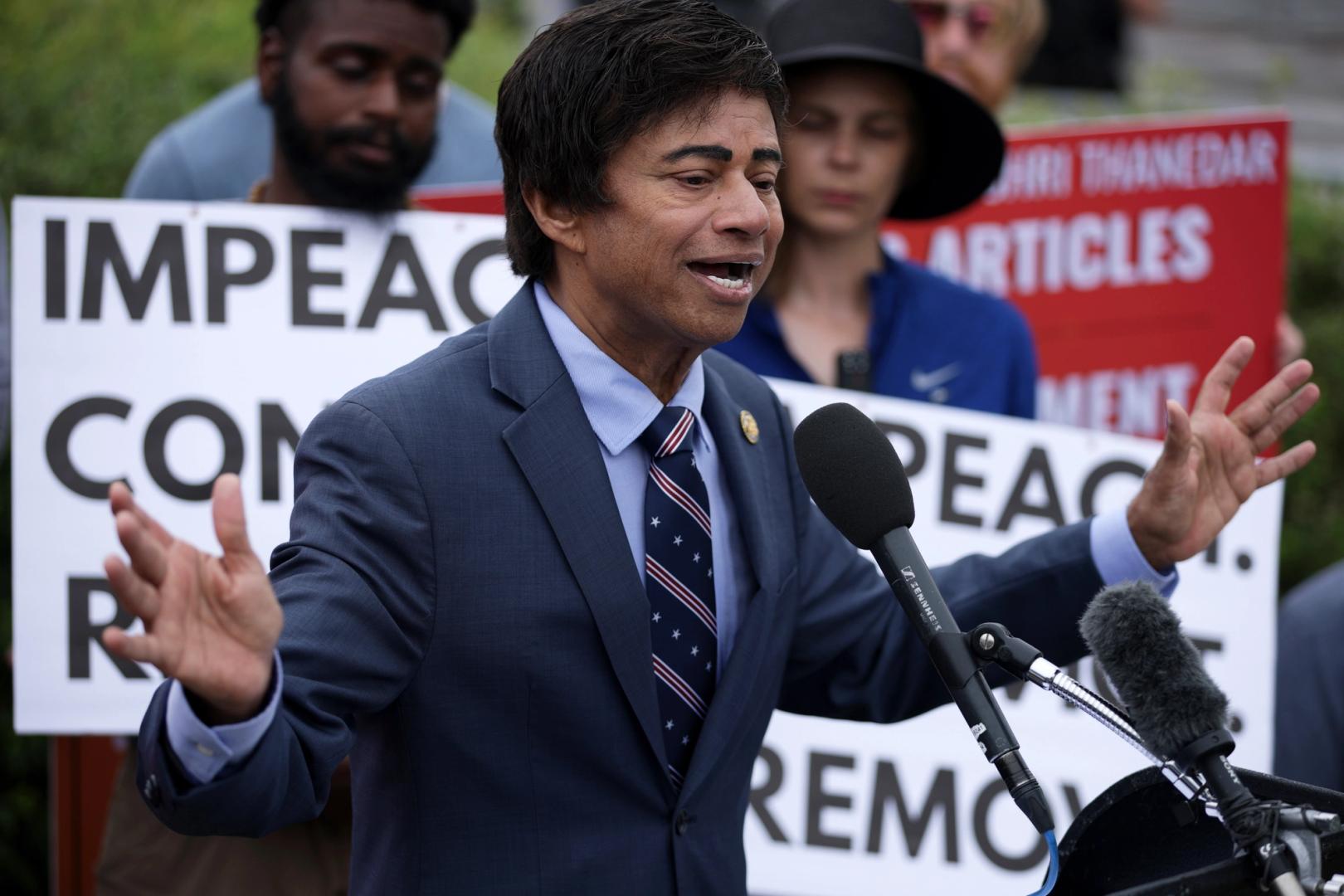
The cryptocurrency industry's political action committee (PAC) Fairshake experienced a notable setback in a Detroit Democratic primary election, failing to secure victory for its chosen candidate despite a significant financial investment. Fairshake allocated $2 million to support a candidate in the 13th Congressional District primary, a race that ultimately saw the PAC-backed contender fall short. This loss contrasts with successes Fairshake and other crypto-aligned PACs have achieved in other electoral contests, suggesting a mixed impact of industry spending on political outcomes.
Despite this specific defeat, the broader landscape of cryptocurrency advocacy in Congress is anticipated to expand. Several candidates endorsed by PACs associated with the crypto sector have secured victories in various primaries and general elections. This indicates a sustained effort by the industry to elect representatives sympathetic to its policy objectives, which often revolve around favorable regulation and market development. The industry's strategy involves substantial financial contributions to PACs like Fairshake, which then channel these funds into supporting candidates through direct campaign donations, advertising, and other forms of political engagement. The goal is to build a bloc of lawmakers who understand and support the growth of digital assets and blockchain technology.
Fairshake, a prominent PAC in this arena, has been actively involved in numerous races across the United States. Its mission is to advocate for policies that foster innovation and responsible growth within the digital asset ecosystem. The PAC's funding typically comes from individuals and entities within the cryptocurrency and blockchain industries. By investing in specific candidates, Fairshake aims to influence legislative agendas and ensure that the unique challenges and opportunities presented by digital assets are adequately addressed by policymakers. The $2 million expenditure in the Detroit primary underscores the high stakes and competitive nature of these electoral battles, where significant financial resources are deployed to sway voter opinion and secure electoral success.
The outcome in Detroit, while a loss for Fairshake, does not necessarily signal a broader failure of the crypto industry's political strategy. The PAC's overall performance across multiple races suggests a more nuanced picture, with some candidates advancing while others do not. The continued presence of crypto-focused PACs and their ability to raise substantial funds indicate a long-term commitment to shaping the political environment. As the digital asset industry matures, its engagement with the political process is likely to intensify, making election cycles a critical period for observing its influence and the effectiveness of its advocacy efforts. The ultimate impact on legislative outcomes will depend on the collective success of these candidates and the sustained engagement of the industry with elected officials.
Original source — read the full reporting at the publisher:
Read on CoinDeskGet the weekly AI digest
AI news + new model releases, weekly. Drafted by our agents, reviewed by humans.