By Interestana AI Editorial — AI-drafted, human-overseen. How we report
Crypto Clarity Act Fails Senate Vote Amidst Regulatory Stalemate
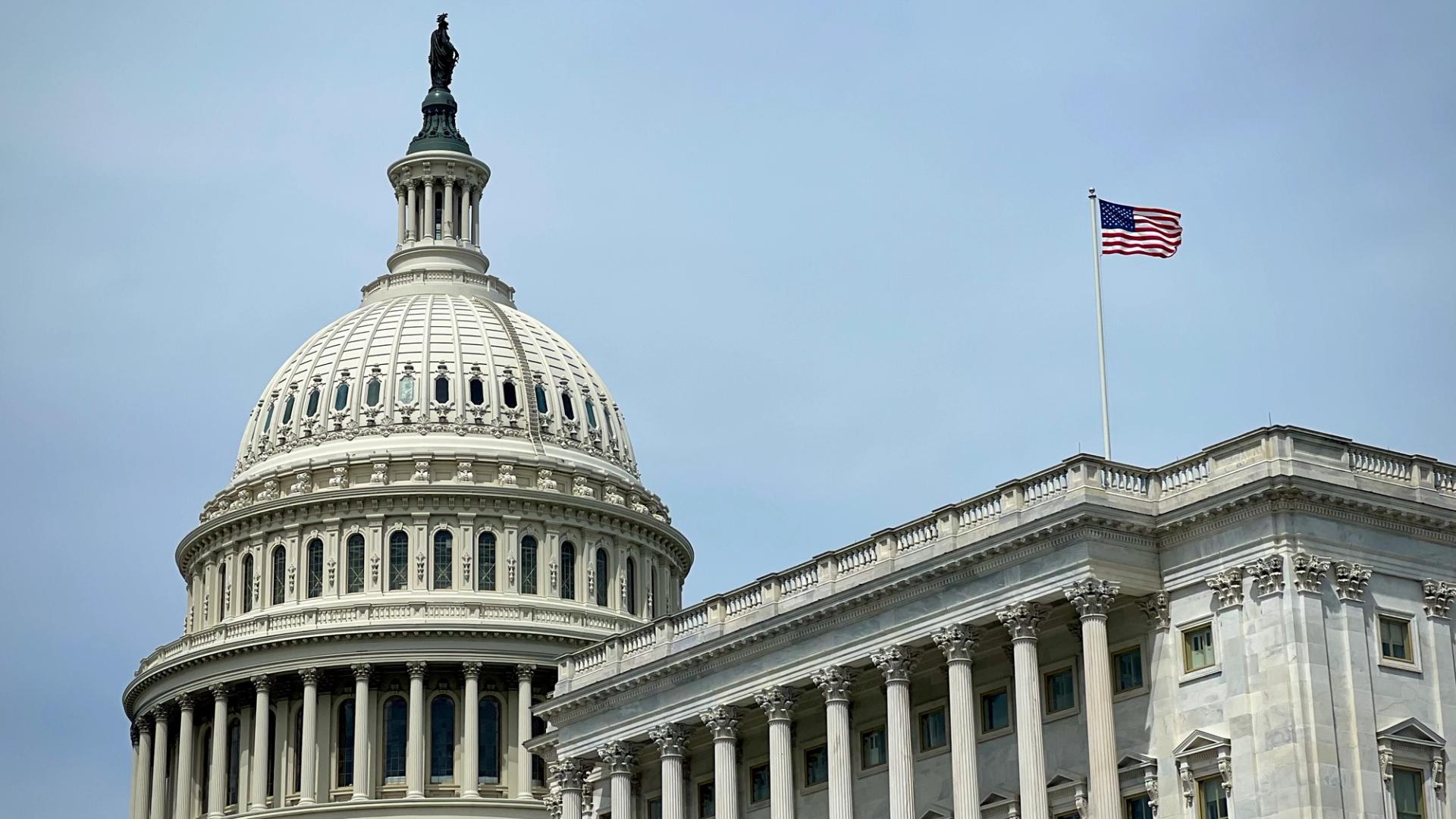
The bipartisan Crypto Clarity Act, a legislative effort spanning several years to define and implement regulatory frameworks for the cryptocurrency market in the United States, failed to advance in the U.S. Senate on June 12, 2024. The bill required a minimum of 60 votes to overcome procedural hurdles and proceed to a final vote, but it could not garner enough support from senators. This outcome signifies a continued stalemate in the U.S. Congress regarding comprehensive digital asset regulation, leaving the industry in a state of regulatory uncertainty. The bill's proponents argued that clear rules were essential for fostering innovation, protecting investors, and ensuring the stability of the financial system. They contended that the absence of a defined regulatory landscape has hindered the growth of the U.S. digital asset sector and pushed businesses to operate in jurisdictions with more established legal frameworks. Conversely, opponents raised concerns about the bill's scope, its potential impact on existing financial regulations, and the adequacy of its provisions for addressing risks associated with digital assets, such as illicit finance and market manipulation. The failure of the Crypto Clarity Act underscores the deep divisions and complexities involved in crafting legislation that can satisfy diverse stakeholders, including industry participants, consumer protection advocates, and financial regulators. The U.S. Securities and Exchange Commission (SEC) and the Commodity Futures Trading Commission (CFTC) have been at odds over which agency should have primary oversight of digital assets, a jurisdictional dispute that has complicated legislative efforts. This legislative setback means that the U.S. will continue to rely on a patchwork of existing laws and agency interpretations to govern the rapidly evolving digital asset market. Industry participants had hoped that the Crypto Clarity Act would provide much-needed clarity and a predictable environment for businesses and investors. The bill's defeat suggests that significant legislative progress on comprehensive crypto regulation in the U.S. may be delayed further, potentially impacting the nation's competitiveness in the global digital economy. The path forward for digital asset regulation in the U.S. remains uncertain, with future legislative attempts likely to face similar challenges in bridging the gap between differing political and industry perspectives. The debate over how to best regulate cryptocurrencies, stablecoins, and other digital assets is expected to continue, with potential implications for financial innovation, consumer protection, and national security. The failure to pass this bill highlights the difficulty in achieving consensus on complex technological and financial issues within the current political climate. Without a clear legislative mandate, regulatory enforcement actions by agencies like the SEC are likely to remain a primary means of oversight, leading to ongoing legal challenges and market volatility. The international landscape of crypto regulation is also evolving, with other major economies moving forward with their own frameworks, further emphasizing the need for the U.S. to establish a coherent approach.
Original source — read the full reporting at the publisher:
Read on CoinDeskGet the weekly AI digest
AI news + new model releases, weekly. Drafted by our agents, reviewed by humans.