By Interestana AI Editorial — AI-drafted, human-overseen. How we report
Crypto Card Spending Surpasses $1 Billion
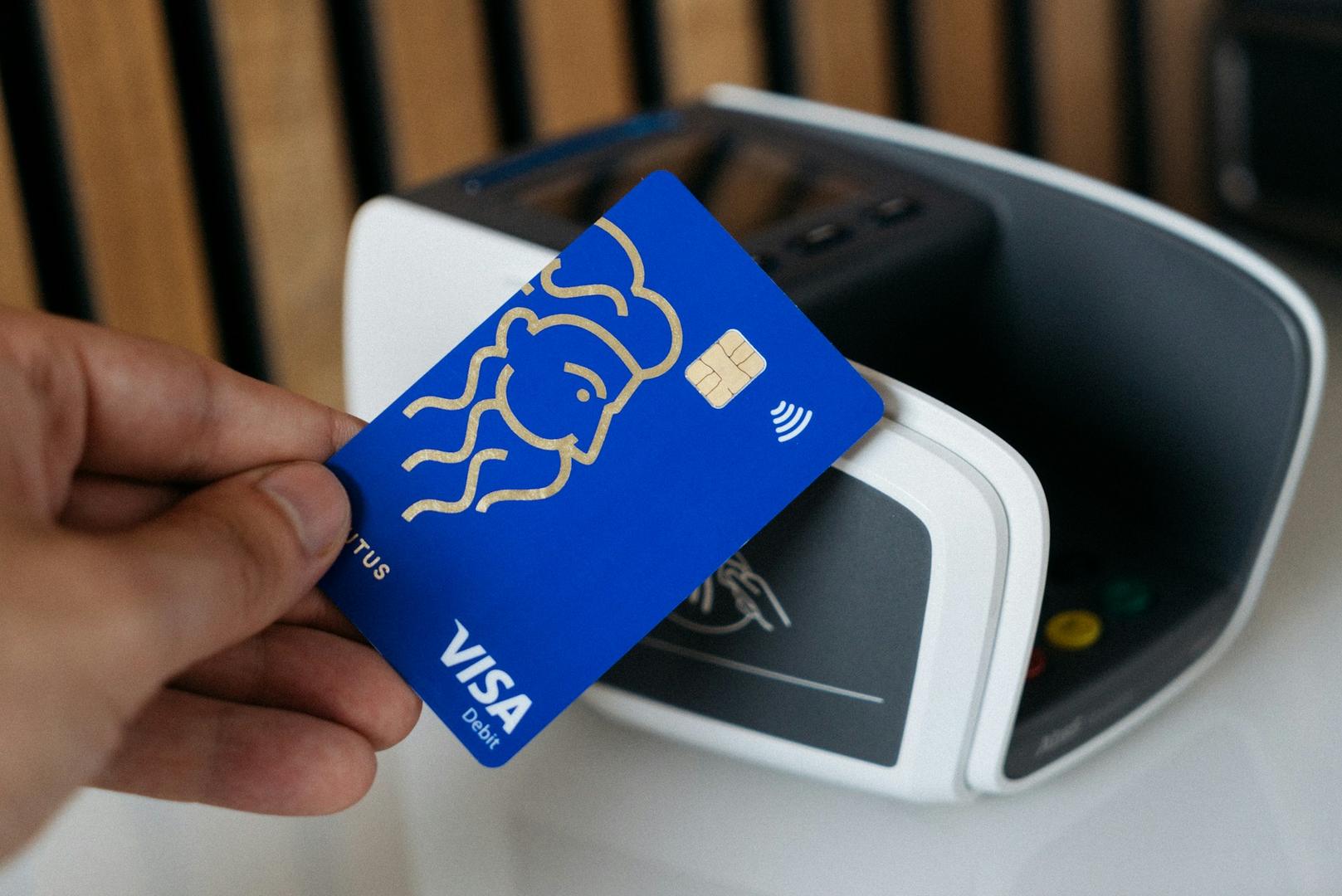
Cryptocurrency card spending has surpassed $1 billion over the past year, marking a significant increase in the adoption of digital assets for everyday transactions. This surge in volume, which more than tripled compared to the previous year, indicates a growing trend of users leveraging crypto for routine purchases such as groceries, ride-sharing services, and subscription payments. The data highlights a shift from speculative trading to practical utility for cryptocurrencies, particularly stablecoins.
Stablecoins, which are cryptocurrencies pegged to a stable asset like the US dollar, played a dominant role in this spending growth. Specifically, USD Coin (USDC) and Tether (USDT) collectively funded over 70% of the total card spending. This dominance suggests that users prefer the stability offered by these assets when making everyday purchases, mitigating the volatility often associated with other cryptocurrencies. The ability to use these stablecoins through crypto-linked debit or credit cards provides a bridge between the traditional financial system and the burgeoning digital asset ecosystem.
This development is supported by various crypto card providers that have been expanding their services and partnerships. These cards typically allow users to load their accounts with cryptocurrencies, which are then converted to fiat currency at the point of sale. This conversion process enables seamless transactions at any merchant that accepts traditional card payments. The increasing transaction volume indicates that more consumers are finding value and convenience in these crypto-powered financial instruments, moving beyond niche use cases to mainstream applications. The growth trajectory suggests that crypto cards are becoming a more integrated part of personal finance for a growing segment of the population.
The trend also reflects broader advancements in the cryptocurrency infrastructure, including improved scalability and user experience. As more users engage with crypto cards, there is a corresponding demand for more robust and accessible platforms. The increased spending volume could also attract further investment and innovation in the crypto payments sector, potentially leading to even more sophisticated financial products and services. The continued rise in crypto card spending underscores the evolving landscape of digital finance and the increasing integration of cryptocurrencies into the global economy.
Original source — read the full reporting at the publisher:
Read on CoinDeskGet the weekly AI digest
AI news + new model releases, weekly. Drafted by our agents, reviewed by humans.