By Interestana AI Editorial — AI-drafted, human-overseen. How we report
Tesla FSD Gamification Criticized Amid Driver's 25,000-Mile Streak
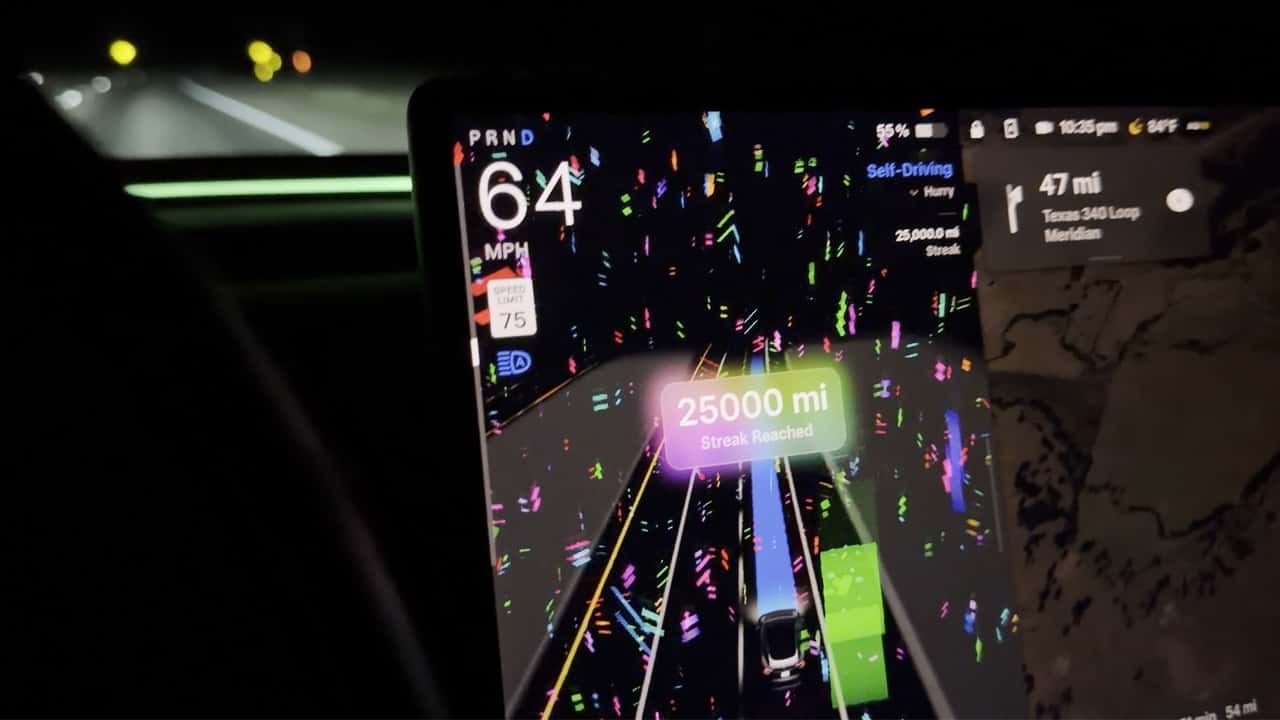
Tesla's implementation of gamification features within its Full Self-Driving (FSD) software has drawn significant criticism from safety advocates and industry observers. The company introduced a "streak" feature that rewards drivers for accumulating miles without disengaging the FSD system. This gamified approach, designed to encourage longer periods of autonomous operation, is being scrutinized for potentially incentivizing risky behavior and prioritizing engagement metrics over genuine safety enhancements. Critics argue that the system's design may lead drivers to over-rely on the technology or to push the boundaries of its capabilities in pursuit of virtual rewards.
This controversy gained prominence following reports of a Tesla driver achieving a 25,000-mile streak using the FSD Beta. While this milestone highlights the system's potential for extended operation under certain conditions, it also amplifies concerns about the underlying safety protocols and the potential for driver complacency. The streak feature, which is visible within the vehicle's interface, provides a visual indicator of continuous FSD usage, potentially creating a competitive element among users. However, experts in automotive safety and artificial intelligence have voiced concerns that such gamification could inadvertently encourage drivers to keep the system engaged in situations where human intervention would be more appropriate, thereby increasing the risk of accidents.
The debate surrounding Tesla's FSD gamification is part of a broader discussion about the ethical implications of AI in safety-critical applications. While Tesla, led by CEO Elon Musk, has consistently positioned FSD as a technology that will ultimately improve road safety, critics point to the system's ongoing limitations and the need for robust oversight. The company's approach to user engagement, particularly through gamified elements, is seen by some as a departure from a purely safety-first development philosophy. The National Highway Traffic Safety Administration (NHTSA) has previously investigated numerous Tesla crashes involving FSD, underscoring the scrutiny the technology faces from regulatory bodies. The long-term impact of gamified features on driver behavior and overall road safety remains a critical area of concern for regulators and the public alike.
Tesla's FSD system, which is an advanced driver-assistance system rather than a fully autonomous solution, requires constant driver supervision. The streak feature, by rewarding continuous engagement, could inadvertently create a false sense of security or pressure drivers to maintain engagement even when conditions are suboptimal for autonomous operation. The 25,000-mile streak achieved by one driver, while impressive from a technical standpoint, serves as a focal point for these criticisms, illustrating the potential for extreme use cases that may not fully align with the system's intended safety parameters. The ongoing dialogue emphasizes the need for a balanced approach that prioritizes safety and responsible technology deployment over engagement metrics.
Original source — read the full reporting at the publisher:
Read on InsideEVsGet the weekly AI digest
AI news + new model releases, weekly. Drafted by our agents, reviewed by humans.