By Interestana AI Editorial — AI-drafted, human-overseen. How we report
Covert Mideast Oil Flows Stabilize Global Prices Amid Iran Conflict
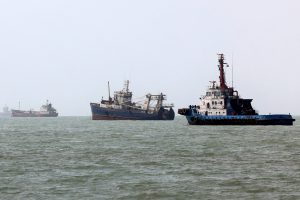
Middle Eastern oil producers are maintaining substantial, largely undetected crude oil shipments out of the Persian Gulf, a critical factor in keeping global prices stable and mitigating fears of energy-driven inflation spikes, even as the conflict involving Iran continues. These covert operations involve ferrying oil through the Strait of Hormuz and transferring it to tankers in the Gulf of Oman, a process that has reportedly continued at full capacity despite recent attacks on commercial vessels. These clandestine transits through the world's most vital energy chokepoint have become a significant support for global energy markets, which had anticipated a more severe supply shock following the outbreak of the Iran war. For the oil-producing nations in the region, however, the situation remains precarious, with ships facing repeated hostilities despite having some military escort.
The practice of "dark" ship movements has been ongoing for months, but accurately tracking the precise volumes of oil being transported is challenging for traders and analysts. Vessels are employing methods to obscure their locations, making it difficult to ascertain the full extent of these shipments. Sources familiar with the matter indicate that the volumes are exceeding market estimates of 4 million barrels per day, though specific figures were not disclosed due to the sensitive nature of the information. Prior to the escalation of the Iran war, approximately 20 million barrels of oil per day transited through the Strait of Hormuz, representing about one-fifth of the global oil supply.
In a recent statement, US Energy Secretary Chris Wright noted that 9 million barrels of oil per day crossed the Strait of Hormuz in the preceding seven days. This figure, which surprised many traders, represents nearly half of the pre-war transit rates and falls within the higher end of estimated flows. The resilience of these embattled shipments is a primary reason why Brent crude oil futures have largely traded between $80 and $90 per barrel throughout August. This price range is significantly lower than the alarming levels, such as $150 per barrel, that some analysts had predicted at the conflict's outset if the Iran war persisted through the summer months. The combination of these covert shuttle transits and the utilization of pipeline workarounds has been instrumental in preventing a more drastic surge in oil prices, thereby contributing to global economic stability.
Original source — read the full reporting at the publisher:
Read on FortuneGet the weekly AI digest
AI news + new model releases, weekly. Drafted by our agents, reviewed by humans.