By Interestana AI Editorial — AI-drafted, human-overseen. How we report
Kalshi Sports Bets Ruled Gambling, Not Swaps, by Court
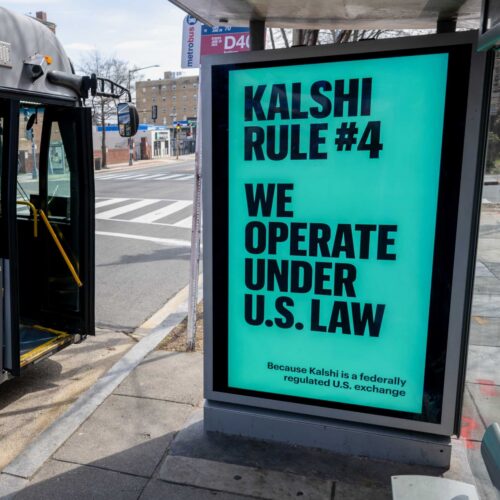
The US Court of Appeals for the 9th Circuit has ruled that Kalshi's sports event contracts constitute gambling and are not financial "swaps," a decision that allows Nevada to enforce its state gaming laws against the prediction market. The unanimous ruling by a three-judge panel, all appointed by the Trump administration, affirmed a district court's order that permitted Nevada to apply its laws to Kalshi's sports-related contracts. This decision directly challenges Kalshi's assertion that its offerings are regulated under the federal Commodity Exchange Act, which would preempt state gambling regulations.
The Nevada Gaming Control Board issued a statement indicating that the 9th Circuit "emphatically reject[ed] the view that the federal Commodity Exchange Act preempts application of Nevada’s gaming laws to sports-event contracts offered by Kalshi, Crypto.com, and Robinhood." This suggests that other platforms offering similar contracts may also be subject to state-level scrutiny. Nevada Governor Joe Lombardo, a Republican, reinforced this stance, stating that "prediction markets offering sports-event contracts constitute gambling and must comply with Nevada’s gaming laws and regulatory framework." The ruling is significant because it clarifies the regulatory landscape for prediction markets, particularly those that focus on sporting events, and distinguishes them from regulated financial instruments.
Kalshi, which operates a regulated exchange for event contracts, has sought to offer contracts based on the outcomes of sporting events. However, state gambling regulators, including those in Nevada, have argued that these contracts are functionally indistinguishable from sports bets and should therefore be subject to the stringent licensing and regulatory requirements of gaming laws. The Commodity Futures Trading Commission (CFTC) has previously taken a more permissive view, suggesting that certain prediction markets could fall under its purview as "swaps." The 9th Circuit's decision, however, prioritizes state gaming authority over this interpretation in the context of sports-related events.
This legal battle highlights a broader tension between evolving digital marketplaces and existing regulatory frameworks designed for traditional financial instruments and gambling. The outcome of this case could have far-reaching implications for other prediction market platforms and the future regulation of event-based contracts, potentially leading to increased oversight and compliance burdens for companies operating in this space. The court's explicit rejection of the preemption argument is a key takeaway, signaling that innovation in financial and event-based markets must still navigate established state-level consumer protection and anti-gambling laws.
Original source — read the full reporting at the publisher:
Read on Ars TechnicaGet the weekly AI digest
AI news + new model releases, weekly. Drafted by our agents, reviewed by humans.