By Interestana AI Editorial — AI-drafted, human-overseen. How we report
Plump Fungus Thrives Amidst Drought in Weardale
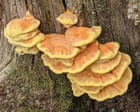
In Tunstall Valley, Weardale, a striking contrast to the pervasive drought is being presented by a flourishing specimen of the 'chicken of the woods' fungus, identified as Laetiporus sulphureus. This vibrant orange and yellow fungus is actively decomposing an ancient oak tree, a process described as reducing the tree to dust, molecule by molecule. The observation was made during a visit to the area on a sultry afternoon, characterized by still air and a clear sky with slowly moving clouds. The landscape surrounding Tunstall Reservoir, typically a vibrant scene, is showing significant signs of stress due to a prolonged lack of rain. The hay meadows, recently cut, appear sun-bleached and have not yet begun to regreen, a direct consequence of the arid conditions. The author, Phil Gates, notes the unusual silence in the ancient oak woodland of Backstone Bank, which clings to the steep eastern flank of the reservoir. This silence is a stark departure from the lively sounds of migratory birds, such as blackcaps, cuckoos, and pied flycatchers, that were present in May. Instead, the dominant sound is the rustle of leaves prematurely shed by drought-stressed trees, indicating a premature autumn. Even the woodland floor flora, like enchanter's nightshade, which has rapidly completed its flowering cycle, shows signs of wilting, with its burred seeds attaching to clothing. The chicken of the woods fungus, however, appears to be thriving in these challenging environmental conditions. Its presence signifies a natural decomposition process that, while contributing to the oak's demise, is a testament to the resilience and adaptability of certain organisms within an ecosystem. The specific location, Tunstall Valley within Weardale, is a secluded area known for its oak woodland, which typically supports a rich biodiversity. The current drought conditions, however, are impacting this ecosystem significantly, highlighting the vulnerability of many plant and animal species to extreme weather events. The observation of the fungus's prime condition serves as a focal point, drawing attention to the complex interactions between species and their environment, particularly in the face of climate-induced stress. The description of the fungus as 'plump' and 'in its prime' emphasizes its robust health and vigorous growth, which is unusual given the widespread desiccation affecting other plant life in the valley. This observation underscores the varied responses of nature to environmental pressures, with some species demonstrating remarkable vitality even when others are struggling to survive. The contrast between the dying oak and the thriving fungus offers a poignant visual metaphor for the ecological challenges currently being faced in many regions.
Original source — read the full reporting at the publisher:
Read on The Guardian EnvironmentGet the weekly AI digest
AI news + new model releases, weekly. Drafted by our agents, reviewed by humans.