By Interestana AI Editorial — AI-drafted, human-overseen. How we report
Poplar Trees Excel in Wind Sound Appreciation
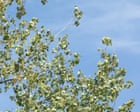
The poplar tree has been identified as the premier tree for experiencing psithurism, the distinct sound produced by wind moving through foliage. This observation comes from Derek Niemann's country diary entries in Frome, Somerset, where he notes the varied acoustic qualities of different trees in the wind. Niemann contrasts the vocalizations of various trees, highlighting the poplar's superior performance in generating pleasing sounds when the breeze blows. He describes how trees along the valley bottom, even with the slightest breath of air, begin to whisper. As the wind intensifies, these trees create a sound that Niemann likens to a river streaming over boulders, a phenomenon he calls 'when it blows, it pours.'
Niemann's assessment is based on a season of attentive listening to different tree species, including oaks, alders, and willows. While acknowledging the auditory contributions of these other trees, he unequivocally favors the poplar. He uses a human analogy to emphasize his point, stating that if he were seeking engaging conversation in a pub, he would choose to sit with a poplar. This preference underscores the poplar's unique ability to produce a rich and dynamic soundscape when subjected to wind. The term 'psithurism' itself, defined as the aural quality of the breeze in the trees, is central to Niemann's appreciation, and he posits that the poplar is the best example of this natural phenomenon.
The observation period, spanning the 'growing season,' allowed for a comprehensive evaluation of how different arboreal species interact with atmospheric conditions. The valley setting in Frome, Somerset, provides a natural amphitheater where the sounds of the wind are amplified and can be distinctly perceived. Niemann's detailed description suggests a nuanced understanding of the acoustic properties of trees, moving beyond simple rustling to more complex sonic textures. The poplar's consistent and appealing performance across varying wind strengths positions it as the leading candidate for those who appreciate the natural symphony of the outdoors. This appreciation for psithurism, particularly as exemplified by the poplar, adds an auditory dimension to the enjoyment of the natural environment, encouraging a deeper engagement with the sounds of the countryside.
Original source — read the full reporting at the publisher:
Read on The Guardian EnvironmentGet the weekly AI digest
AI news + new model releases, weekly. Drafted by our agents, reviewed by humans.