By Interestana AI Editorial — AI-drafted, human-overseen. How we report
Wetland Plants Thrive Amidst National Struggles
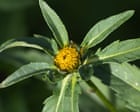
Wetland plants, including the trifid bur-marigold, have experienced a prosperous year in Ailsworth, Cambridgeshire, a stark contrast to national struggles faced by many species. The author, Sarah Lambert, observes these thriving ecosystems along the River Nene, noting the lush greenery and vibrant floral displays that have emerged following a period of storms. The air, described as 'freshly washed,' carries the scents of damp grass, earth, and a bumper harvest of blackberries, indicating a healthy environment. Standing on the bridge over Ailsworth weir, Lambert observes the steady white noise of water spilling over bright green river water-crowfoot, a sound that momentarily overpowers the nearby A1 motorway.
The main river, though slow and silent, is bordered by a rich variety of flowers. These include purple loosestrife, marsh woundwort, water mint, water forget-me-not, and celery-leaved buttercup. Together, these species create a 'loose embroidery of mauve, blue and yellow among the green,' offering a visual respite from the 'scorched gold fields' that have become a common sight. This abundance of life highlights the success of specific land management techniques employed in the area. The trifid bur-marigold, in particular, captures Lambert's attention with its 'understated, button-like golden flowers.' The plant's name derives from its distinctive three-part leaves and fruits, which are equipped with barbed bristles designed for dispersal via passing animals such as cattle, dogs, otters, or even humans. This adaptation is crucial for its propagation and survival.
The success of these wetland plants is attributed to what Lambert terms 'Goldilocks' land management. This implies a balanced approach that provides ideal conditions—not too much, not too little—for the flora to flourish. The specific conditions at this site along the River Nene have created a microclimate and habitat that is perfectly suited for species that may be struggling elsewhere. The River Nene itself is described as a 'ribbon of blue and green' that winds through the valley, supporting a diverse range of aquatic and semi-aquatic plant life. The contrast between the vibrant, healthy wetland flora and the 'scorched gold fields' suggests a broader environmental challenge, possibly related to drought or heatwaves affecting agricultural land, making the success of these wetland areas even more significant.
This observation comes at a time when many plant species are facing significant environmental pressures. The trifid bur-marigold, noted as struggling nationally, serves as a key indicator of the health of its habitat. Its thriving presence in Ailsworth underscores the effectiveness of localized conservation and land management efforts. The description of the plants as having 'prospered this year' suggests a recent positive trend, possibly linked to specific weather patterns or the implementation of targeted environmental strategies. The author's appreciation for the 'understated beauty' of these plants emphasizes a quiet yet profound ecological success story unfolding in the Cambridgeshire wetlands.
Original source — read the full reporting at the publisher:
Read on The Guardian EnvironmentGet the weekly AI digest
AI news + new model releases, weekly. Drafted by our agents, reviewed by humans.