By Interestana AI Editorial — AI-drafted, human-overseen. How we report
Cornwall Landscape Bears Scars From Storm Goretti and Wildfire
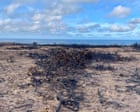
The landscape in Camborne, Cornwall, is bearing visible scars from a year marked by severe weather events, including Storm Goretti and a significant late-summer wildfire. These incidents have profoundly impacted the local environment, leaving behind a trail of destruction that serves as a stark reminder of nature's power and the increasing frequency of extreme weather patterns. The aftermath of Storm Goretti is evident in the woods, where fallen trees, including Scots pines and mature oaks, litter the entrance, having been torn from the ground. This destruction indicates the storm's considerable force, which uprooted established trees and altered the woodland's topography. The damage is not merely aesthetic; it represents a disruption to the ecosystem, affecting plant life and potentially the habitats of local wildlife.
Adding to the environmental damage, a wildfire in late summer blackened a gorse break located just over a mile from the woods. This fire significantly altered the coastline's appearance, preventing the western gorse from blooming as expected. Typically, this blooming period would release delicate coconut-like scents, attracting late pollinators. Instead, the petrified remains of the gorse now stand lifelessly, a testament to the fire's intensity and its devastating effect on the flora. The loss of blooming gorse also has implications for biodiversity, as it removes a crucial food source and habitat for various insect species that rely on it during this period.
The stream's edge, where a grey wagtail was observed, also shows signs of past hardship. Months prior, the streambed had nearly run dry, suggesting a period of intense drought or reduced rainfall that would have made it difficult for aquatic life, such as midges and water snails, to survive. The presence of the wagtail now, flitting by the water, indicates a recovery in water levels, but the memory of the dry spell remains. This contrast between the current state and the recent past highlights the volatile nature of the local climate and the challenges faced by the ecosystem in maintaining stability.
The author reflects on the land's memory, suggesting that while it may be easy to overlook the damage when observing the current, recovering state, the land itself retains the imprint of these events. The resilience of the landscape is being tested, and the question of how it will fare through the coming winter, following such a harsh year, is left open. The narrative implies a need for greater landscape resilience in the face of anticipated future storms and wildfires, suggesting that proactive measures may be necessary to mitigate the impact of climate change-driven extreme weather.
Original source — read the full reporting at the publisher:
Read on The Guardian EnvironmentGet the weekly AI digest
AI news + new model releases, weekly. Drafted by our agents, reviewed by humans.