By Interestana AI Editorial — AI-drafted, human-overseen. How we report
South Wales's Summer of Fires Leaves a Scarred Landscape
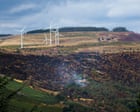
The summer of 2026 inflicted a profound and enduring scar upon the landscape of South Wales, with extensive fires transforming once-vibrant natural areas into desolate, blackened expanses. This environmental devastation was particularly acute in regions historically shaped by coal mining, such as the Rhondda Valley, where the very earth seems to bear the imprint of both industrial past and fiery present. The author, accompanied by a friend named John, undertook a climb to the summit of Tylorstown Tip, a location colloquially known as Old Smokey. This evocative moniker stems from the tip's composition, which includes hot ash from past industrial processes, a testament to the area's deep connection with its mining heritage. From this elevated vantage point, the pair sought to survey the full, grim extent of the fires that had consumed swathes of the region.
Tylorstown Tip, itself a man-made summit, offers a commanding perspective over the surrounding topography. From its peak, adorned with resilient sitka spruce and the vibrant hues of flowering heather, the scale of the destruction became starkly apparent. The expansive St. Gwynno's forest, a significant natural asset covering 6,533 acres, was a focal point of the observed damage. Once a thriving area of plantation forestry, the trees within its bounds were reduced to a skeletal, brown, and lifeless state. Adjacent grasslands fared no better, having been burned down to bare cinder. A pervasive veil of smoke, a grim testament to the ongoing smoldering and the slow, arduous process of recovery, hung heavy in the air, stretching for miles across the devastated forest and beyond. The fires in South Wales are not isolated incidents but reflect a broader pattern of environmental vulnerability, exacerbated by changing climatic conditions and the historical legacy of industrial land use. The lingering smoke and the stark visual evidence of widespread burning serve as a potent reminder of the fragility of ecosystems and the long-term consequences of such extreme events. The memory of this summer's inferno is destined to remain etched in the minds of those who witnessed its destructive passage, a somber reflection on the delicate balance between human activity and the natural world.
Original source — read the full reporting at the publisher:
Read on The Guardian EnvironmentGet the weekly AI digest
AI news + new model releases, weekly. Drafted by our agents, reviewed by humans.