By Interestana AI Editorial — AI-drafted, human-overseen. How we report
Glowworm Rumors Spark Twilight Stroll in Somerset
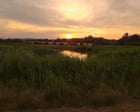
Anita Roy embarked on a twilight stroll in Wellington, Somerset, prompted by rumors of glowworms, seeking a glimpse of bioluminescence amidst a record-hot July. The region has experienced extreme heat, with July's temperatures being among the highest on record, leading to drought conditions where ponds have shrunk to muddy pools and desiccated leaves crunch underfoot. This heat has significantly impacted plant and tree life, with residents struggling to keep gardens watered and alive. Despite the challenging environmental conditions for flora, the wildlife in Wellington has shown extraordinary activity. The author notes the presence of ospreys and beavers in the area, and the current pursuit of glowworms adds to this list of unusual wildlife sightings. The townsfolk have adapted to the heat by becoming crepuscular, engaging in activities like walking dogs before dawn and venturing out only after sundown. This behavior is a direct response to the oppressive temperatures, which have made daytime excursions uncomfortable or impossible. The search for glowworms is framed within this broader context of environmental stress and the surprising resilience or increased visibility of certain wildlife species. Glowworms, scientifically known as Lampyridae, are the larval or adult forms of fireflies, which produce light through a chemical reaction called bioluminescence. This light is often used for mating or defense. Their presence, or the rumor of their presence, suggests a specific ecological niche or condition that may be favored by the current weather patterns, or perhaps their nocturnal activity is simply more noticeable during the extended twilight hours caused by the season and the need for residents to be out after dark. The narrative contrasts the struggle of plant life with the apparent flourishing or increased observation of certain animal species, creating a complex picture of ecological response to climate conditions. The author's personal quest for the glowworms underscores a deeper engagement with the natural world, driven by curiosity and the desire to witness phenomena that are often hidden or rare. The specific location, Wellington, Somerset, places the event within a particular rural English landscape, where such natural observations can be a significant part of the local experience. The mention of ospreys and beavers suggests a healthy or recovering ecosystem in certain aspects, despite the overarching drought. Ospreys are large fish-eating birds of prey, and their presence indicates a viable aquatic environment, while beavers are ecosystem engineers known for their impact on waterways. The author's journey is a personal exploration tied to environmental observations, highlighting how extreme weather can alter both the landscape and the patterns of wildlife activity, making the ordinary seem extraordinary and prompting new forms of engagement with nature.
Original source — read the full reporting at the publisher:
Read on The Guardian EnvironmentGet the weekly AI digest
AI news + new model releases, weekly. Drafted by our agents, reviewed by humans.