By Interestana AI Editorial — AI-drafted, human-overseen. How we report
Rare Wensleydale Sheep Featured at Garstang Show
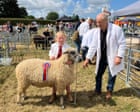
Andrea Meanwell served as a judge at the Garstang agricultural show, an event with roots tracing back to 1813, to evaluate native sheep breeds. The day began with a minor mishap when Meanwell's shepherd's crook broke due to woodworm, requiring a temporary repair with gaffer tape by a show steward. Meanwell was tasked with assessing various upland breeds, such as the Clun Forest, Derbyshire Gritstone, and Welsh Badger Face (Torduu and Torwen), as well as lowland breeds including the Border Leicester, Coloured Ryeland, and the Wensleydale sheep. Preparation for judging involved studying the specific desirable traits and common faults associated with each breed. The Garstang agricultural show, held in Lancashire, is a long-standing tradition that provides a platform for showcasing agricultural excellence and native livestock. The event's history underscores its significance in the local farming community. Judging agricultural shows requires a keen eye for detail, understanding breed standards, and the ability to differentiate subtle variations that contribute to an animal's overall quality. This year's focus on native sheep breeds highlights the importance of preserving and promoting heritage livestock, which often possess unique characteristics adapted to specific environments and historical farming practices. The Wensleydale sheep, known for their distinctive appearance and wool, are a notable example of a breed that benefits from such dedicated events. The agricultural show serves not only as a competition but also as an educational opportunity for both participants and attendees, fostering an appreciation for the diversity of farm animals and the skills involved in their husbandry. Meanwell's role as a judge underscores the trust placed in experienced individuals to uphold the integrity of these breed evaluations. The event's continuation since 1813 demonstrates its enduring appeal and its role in the agricultural calendar. The specific breeds mentioned represent a cross-section of British sheep farming, from hardy upland varieties to those suited for more pastoral lowland settings. The inclusion of the Wensleydale sheep, in particular, draws attention to breeds that may be less common but are vital to maintaining genetic diversity within the sheep population. The agricultural show environment provides a unique setting for these animals to be presented and judged, allowing for direct comparison and assessment by experts.
Original source — read the full reporting at the publisher:
Read on The Guardian EnvironmentGet the weekly AI digest
AI news + new model releases, weekly. Drafted by our agents, reviewed by humans.