By Interestana AI Editorial — AI-drafted, human-overseen. How we report
Eelgrass Seed Search Aims to Restore Underwater Meadows
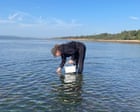
Conservationists are undertaking a meticulous search for common eelgrass (Zostera marina) seeds in the River Solent, a critical effort to restore vanishing underwater meadows. The author, Claire Stares, describes the early morning wade into the knee-deep waters of Calshot, Hampshire, as part of a group dedicated to this vital task. Underwater meadows, particularly those dominated by eelgrass, represent exceptionally rare habitats, making their preservation and restoration a high priority for marine conservation efforts.
The process of collecting the seeds is described as challenging, with the sheer expanse of eelgrass leaves initially proving overwhelming. Stares recounts being shown photographs of the seed-bearing spathes, yet finding the actual seeds, which are no larger than a little finger, requires careful and patient searching. Initial attempts to comb through the leaves and feel for the fleshy flowering spikes were unsuccessful, highlighting the difficulty of the undertaking. The goal of this search is to gather enough seeds to support restoration projects aimed at re-establishing these crucial marine ecosystems.
Common eelgrass is a flowering plant that grows in marine environments, forming extensive underwater meadows. These meadows are vital for coastal ecosystems, providing essential habitat and food sources for a wide array of marine life, including fish, invertebrates, and seabirds. They also play a significant role in coastal protection by stabilizing sediments and reducing wave energy. The decline of these habitats is a growing concern globally, driven by factors such as pollution, dredging, and climate change. Therefore, initiatives like the seed collection in the River Solent are crucial for reversing this trend and ensuring the health of coastal waters.
The conservation group's efforts underscore the importance of hands-on fieldwork in ecological restoration. The success of such projects relies on the dedicated work of individuals who are willing to engage in difficult and time-consuming tasks, such as the painstaking search for tiny seeds in a challenging aquatic environment. The information gathered and the seeds collected will contribute to scientific understanding and practical application in marine habitat restoration, aiming to rebuild these vital underwater landscapes for future generations and the biodiversity they support.
Original source — read the full reporting at the publisher:
Read on The Guardian EnvironmentGet the weekly AI digest
AI news + new model releases, weekly. Drafted by our agents, reviewed by humans.